Opener make on the label
Give us the make of the opener if you can see it on the unit, and whether the door is stuck open, stuck closed, or making noise but still moving.
Trophy Club, Bedford
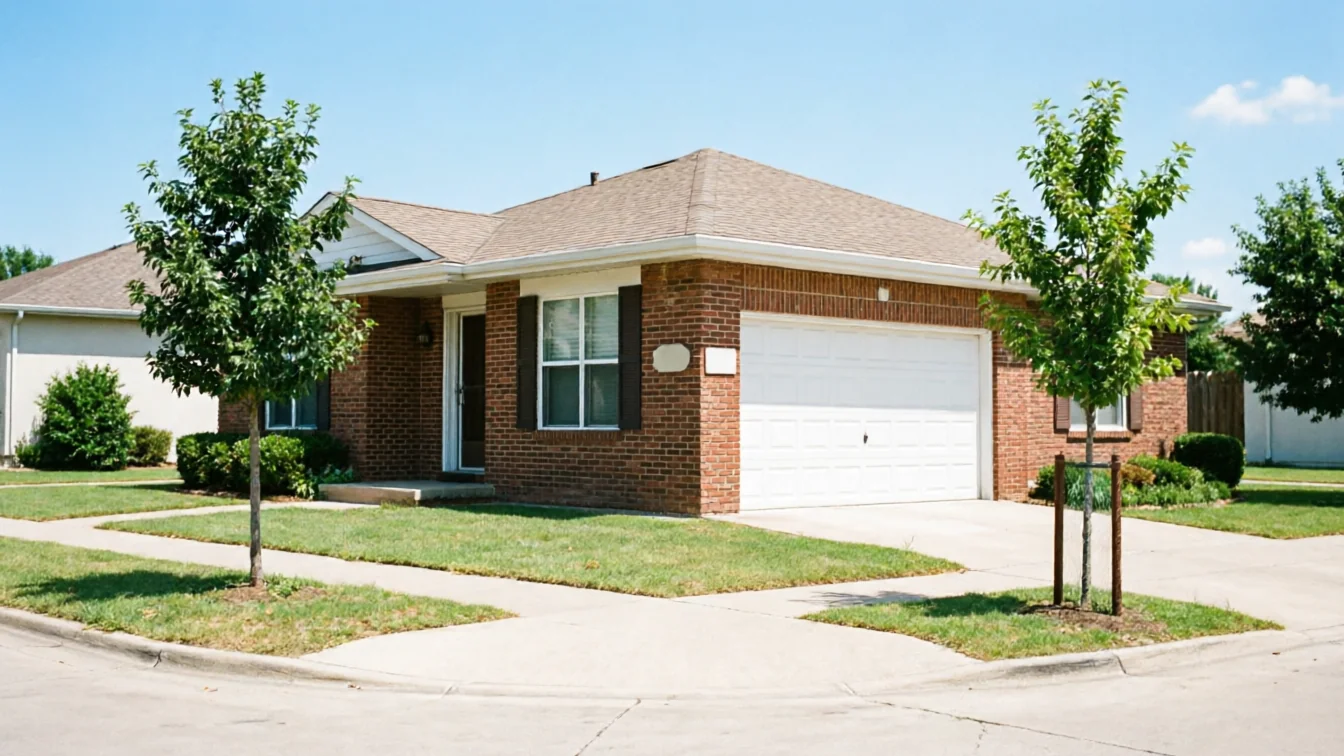
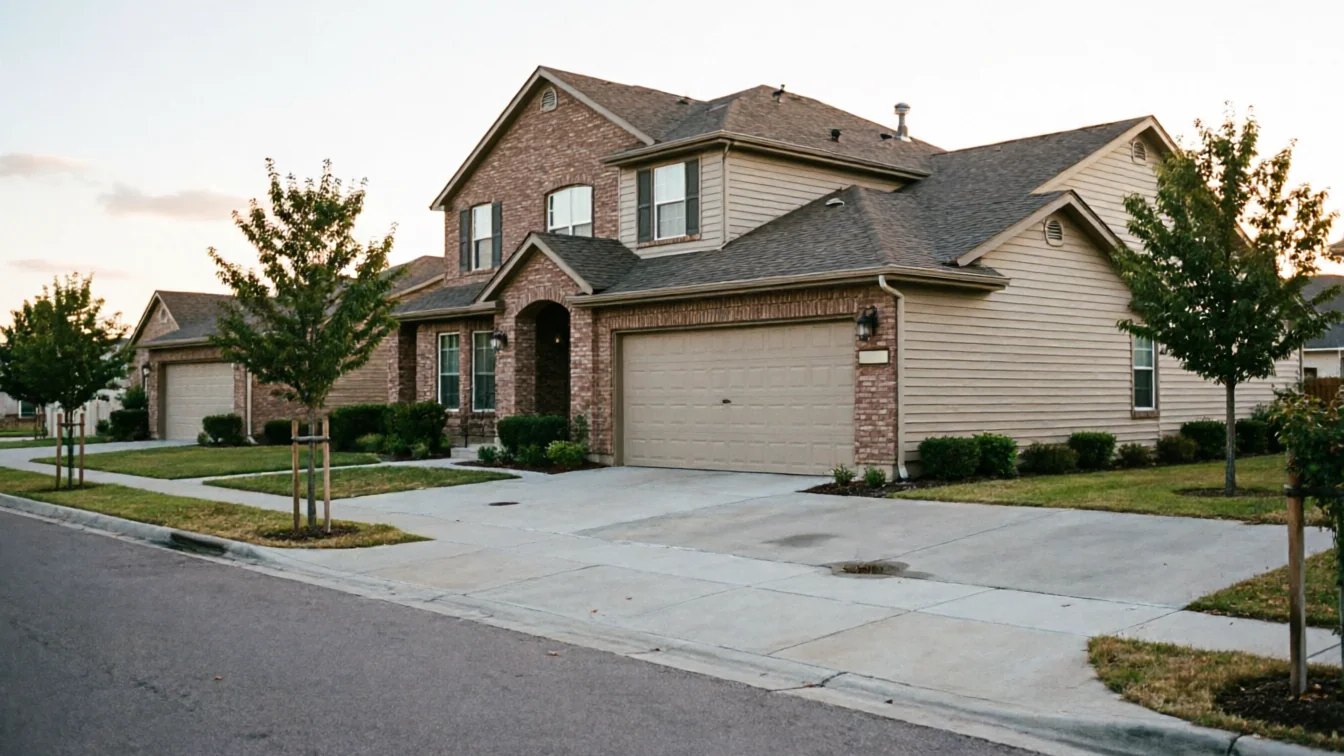
Trophy Club homes mostly went up after 2000, which means different springs and opener electronics than older Bedford-area stock. We drive out from Bedford for the fix.
Local causes
Most of Trophy Club went up around the year 2000, which puts it a good two decades newer than a lot of what we work on elsewhere in this service area, where houses can date back to the 1950s. That matters because by 2000 steel doors with factory torsion spring setups were already standard, and garage door openers carried the safety reversal electronics required since the early 90s. You're not dealing with the old extension-spring, side-mounted hardware we see in older pockets of the area. You're dealing with doors and openers that are now twenty-plus years old themselves, which puts a lot of this town's original equipment right at the point where springs fatigue, circuit boards in openers start failing, and plastic drive gears wear through. The failures here tend to be electrical and wear-based rather than the rusted, undersized hardware problems you get on much older houses. A torsion spring rated for a 2000-era door still has a service life, and that life is running out for a big share of this town at roughly the same time, because the houses went up in a tighter window than most suburbs this size.
Pricing
Trophy Club's median household income runs close to $193,000, well above the broader service area's median of $117,853. We don't price jobs by income, and we don't price Trophy Club differently than anywhere else we drive to. A torsion spring job costs what the spring, drum, and labor cost no matter which street it's on. What the income figure does tell us is what homeowners here tend to choose when a repair and a replacement are close in price: more often the newer opener with a battery backup, or the insulated steel door, over the cheapest option that gets the door moving again. That's a homeowner decision, not a sales pitch, and we'll quote both ways so you can pick.
Booking
We cover Trophy Club out of Bedford, about 10 miles south. There's no branch or drop-in counter in Trophy Club itself, so the fastest way to get a truck out is to call or book through the site and tell us what the door is doing.
Give us the make of the opener if you can see it on the unit, and whether the door is stuck open, stuck closed, or making noise but still moving.
That saves time on the call and lets the tech bring the right spring size or opener part on the first trip instead of a second one.
Watch-outs
The most common wrong move on a 2000-era door is assuming a dead opener means a dead opener. Often the opener is fine and the problem is a spring that's lost enough tension that the motor is straining to do a job it was never built to do alone, which then burns out the gear or the board early. Replace the opener without fixing the spring and you've spent money and still have the same failure in six months. The other place this goes sideways: doors from this build era often still have their original rollers and cables, which are wear items with a shorter life than the door itself. A spring job done without checking those is a job you'll pay for twice.
Warning signs
If the door is heavy to lift by hand, slow to open, or the opener strains and clicks without moving the door, that's spring fatigue, and on a door this age it's close to expected rather than unusual.
A door that reverses right after touching the floor, or won't close at all, usually points to the photo-eye sensors or the travel limits on the opener, both standard safety features on units from this era.
Grinding or popping noise on the way up is almost always a roller or hinge that's worn past its life, not the spring. If the door drops suddenly instead of easing down, stop using it and call - that's a spring or cable failure and it's not safe to keep running.
The repair
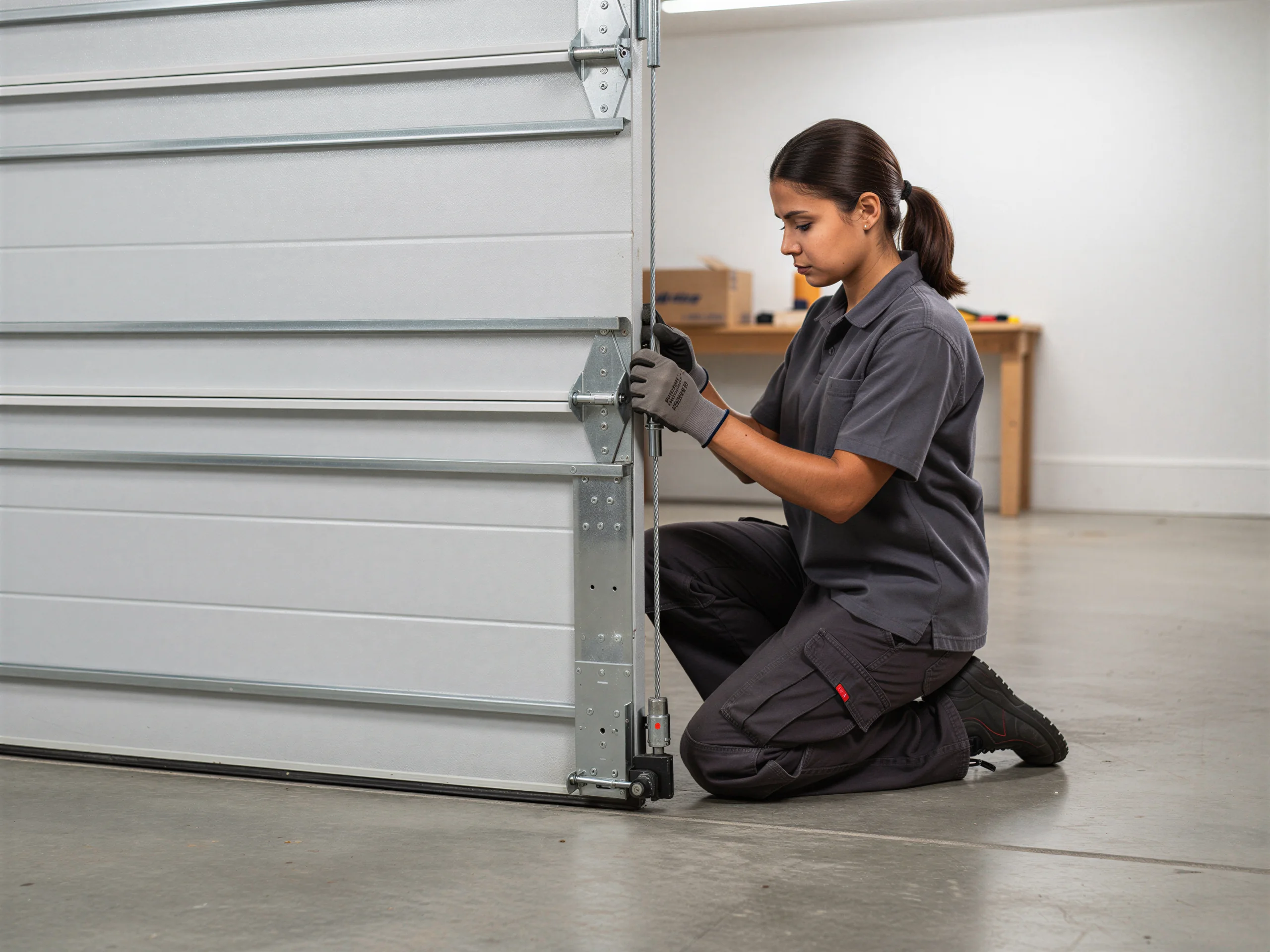
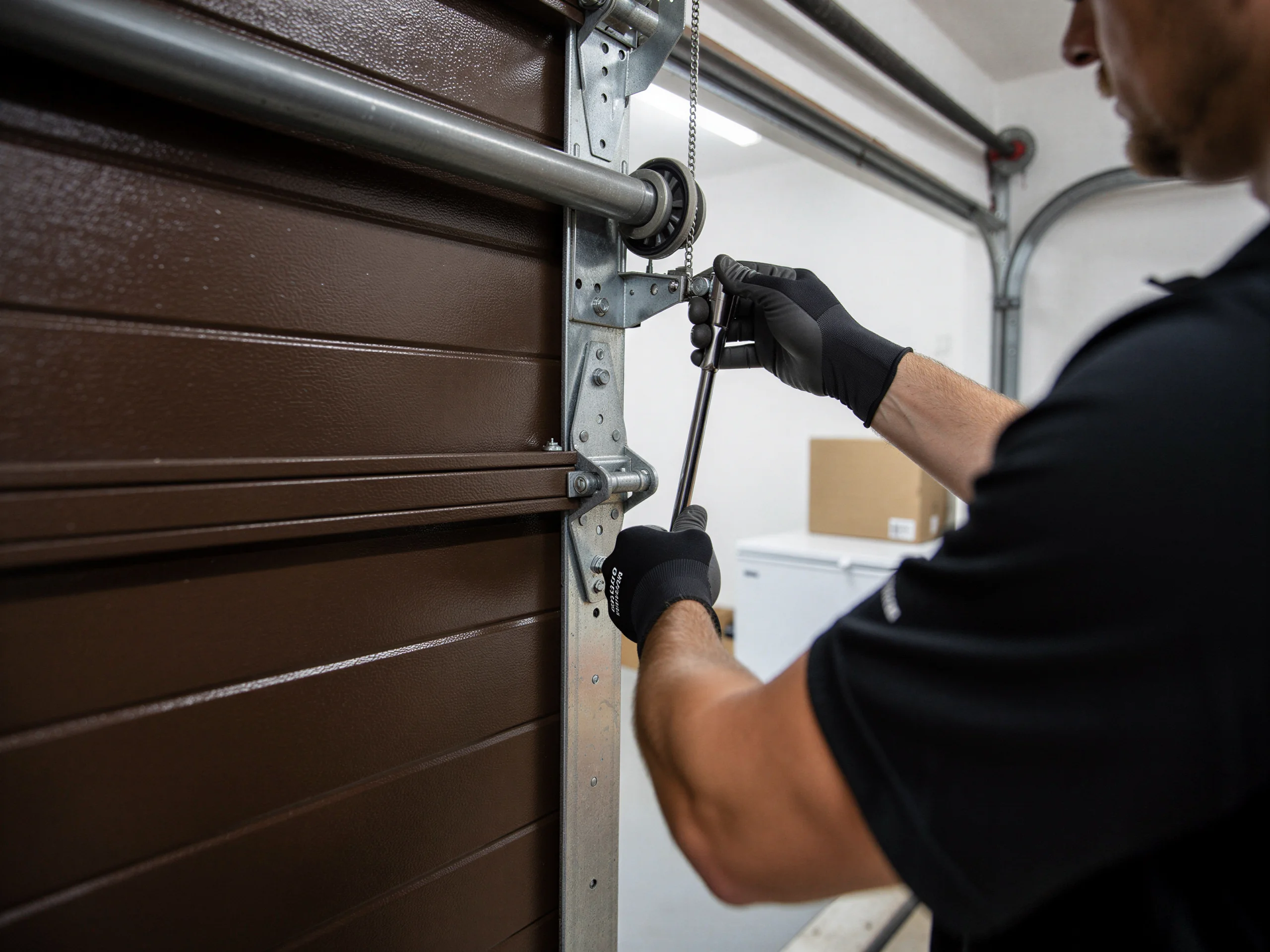
A straight torsion spring swap on a standard double door is usually a same-visit job once the tech is on site, parts allowing. Opener board or sensor replacement is also usually one visit, though we're honest that some opener models from this era use parts that aren't always on the truck and may need a short order - we'll tell you up front if that's the case rather than guess. What we won't do is sell you a full door replacement when a spring and a roller set will get another decade out of a door that's structurally fine. We'll tell you when replacement actually is the better call, usually when the door panels themselves are dented or rusted through, not just when the hardware is tired.
Questions
About 10 miles each way. There's no local branch in Trophy Club, so we schedule the truck out from Bedford. It doesn't change pricing, but it's worth knowing when you're picking a time window for the visit.
Yes. Most of Trophy Club was built around 2000, so the doors are steel with factory torsion springs and openers with modern safety sensors, not the older extension-spring setups you find in parts of the service area with 1950s and 60s housing.
It's common. Openers from the early 2000s are now reaching the end of a typical service life, and boards or gears failing at this age is expected wear, not a sign anything was installed wrong.
No. A broken spring on a structurally sound door is a spring repair, not a door replacement. We only recommend replacing the door itself if the panels are damaged or rusted through, separate from the spring issue.
Explore more
Ready when you are
Bedford Garage Door Pros repairs and installs garage doors, springs and openers in Bedford, TX and the surrounding area.