Trophy Club is a small town by household count - 4,784 of them - and that matters more than it sounds like it should. A town this size doesn't generate the volume of cable calls a bigger suburb does, so when a cable snaps here, it's usually tied to a specific cause rather than general wear across a huge, mixed housing stock.
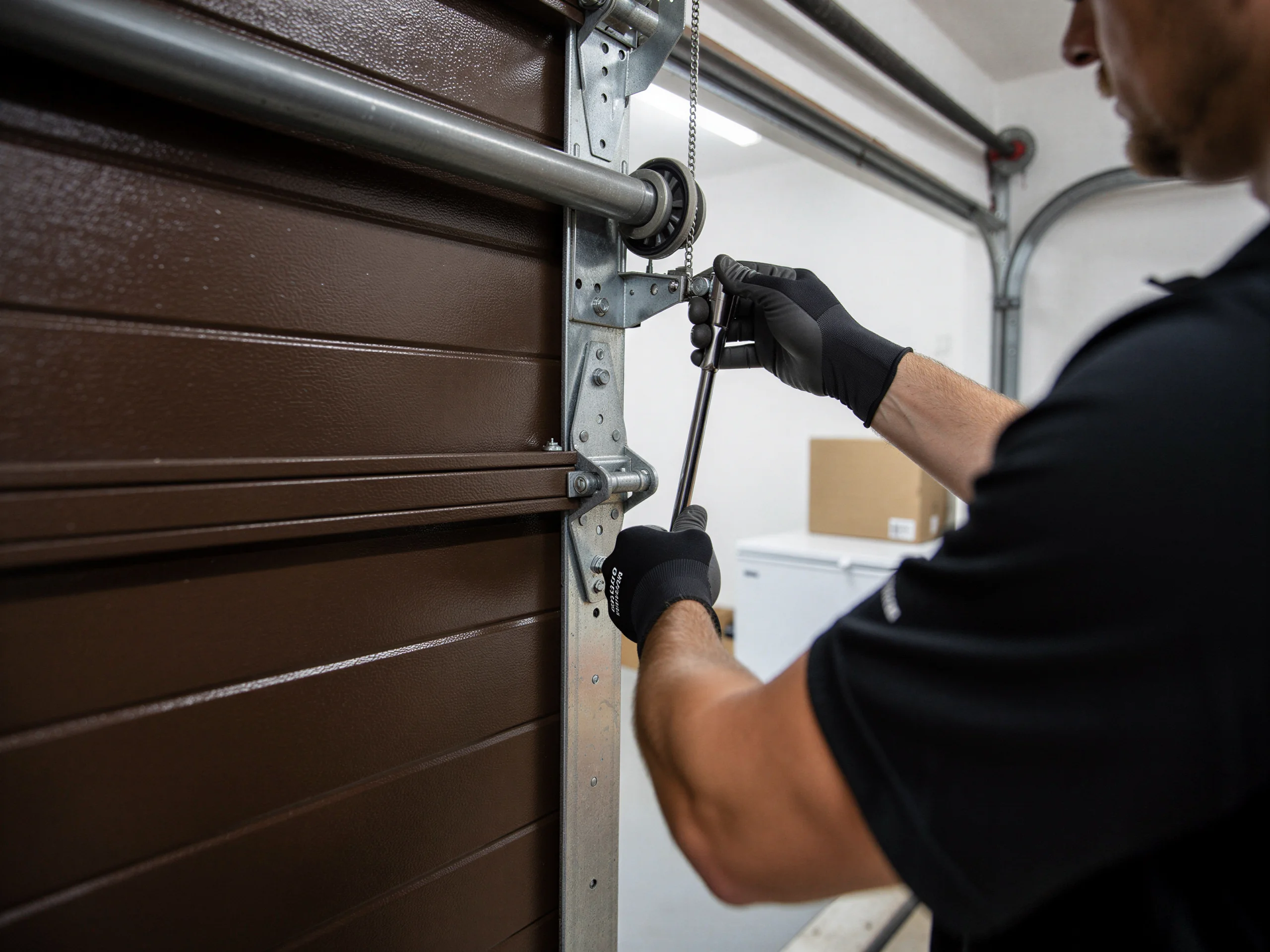
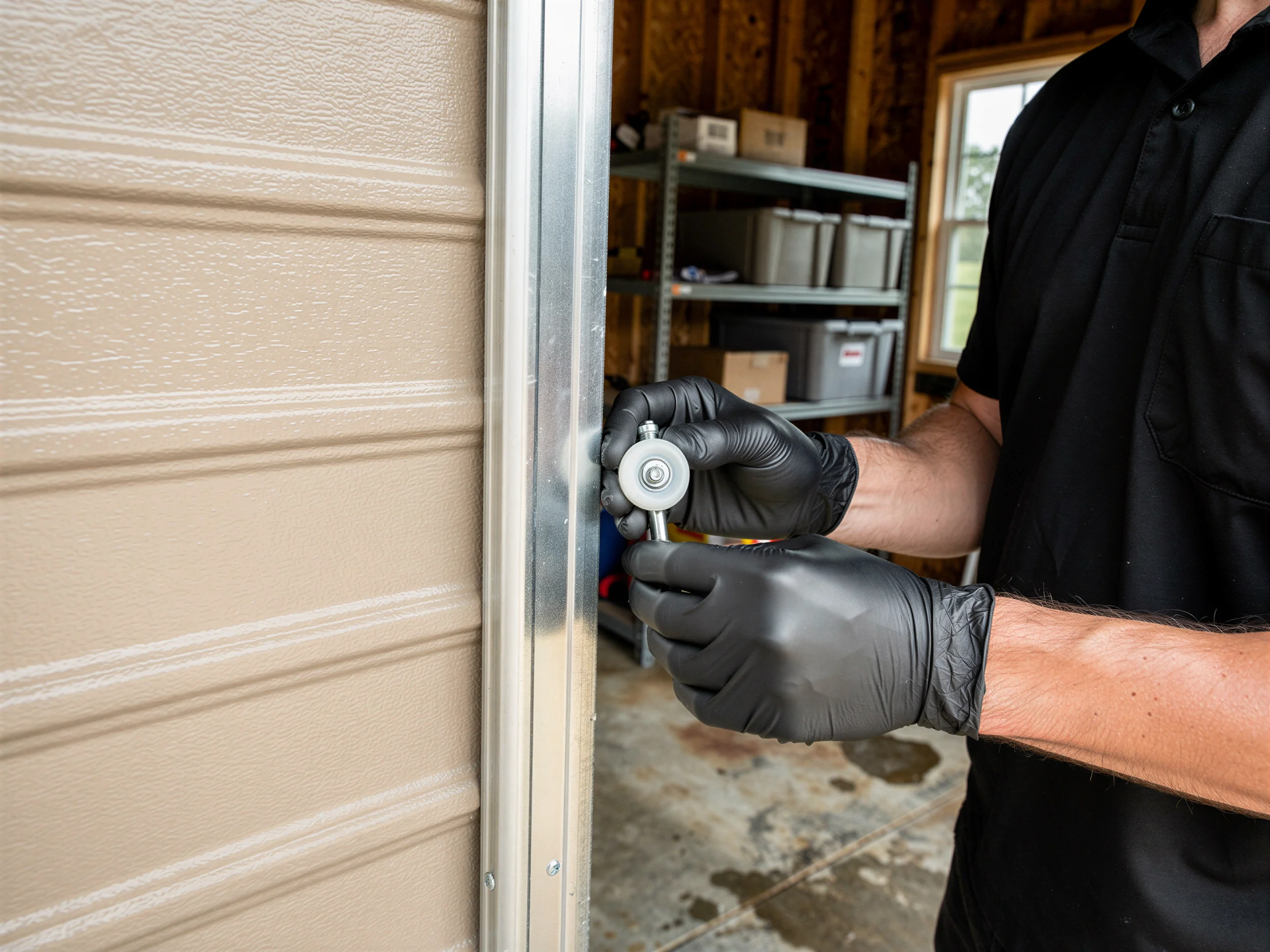
The bigger factor is the age of the houses. Most of the service area we cover from Bedford runs on housing built between 1953 and 2014, with a median around 1992. Trophy Club skews newer - median year built close to 2000. That means fewer of the old extension-spring, cone-and-pulley setups and more torsion-spring systems with factory cable drums. Those cables are thinner gauge and run under higher, more consistent tension, which means they fray at the drum groove rather than snapping clean at a pulley like older setups do.
With median household income in this area at $117,853 and Trophy Club running well above that, a lot of these are two-car, heavier insulated doors - more cable load per cycle than a lighter single-layer door. That load adds up faster than people expect on a door that's only 20-some years old.