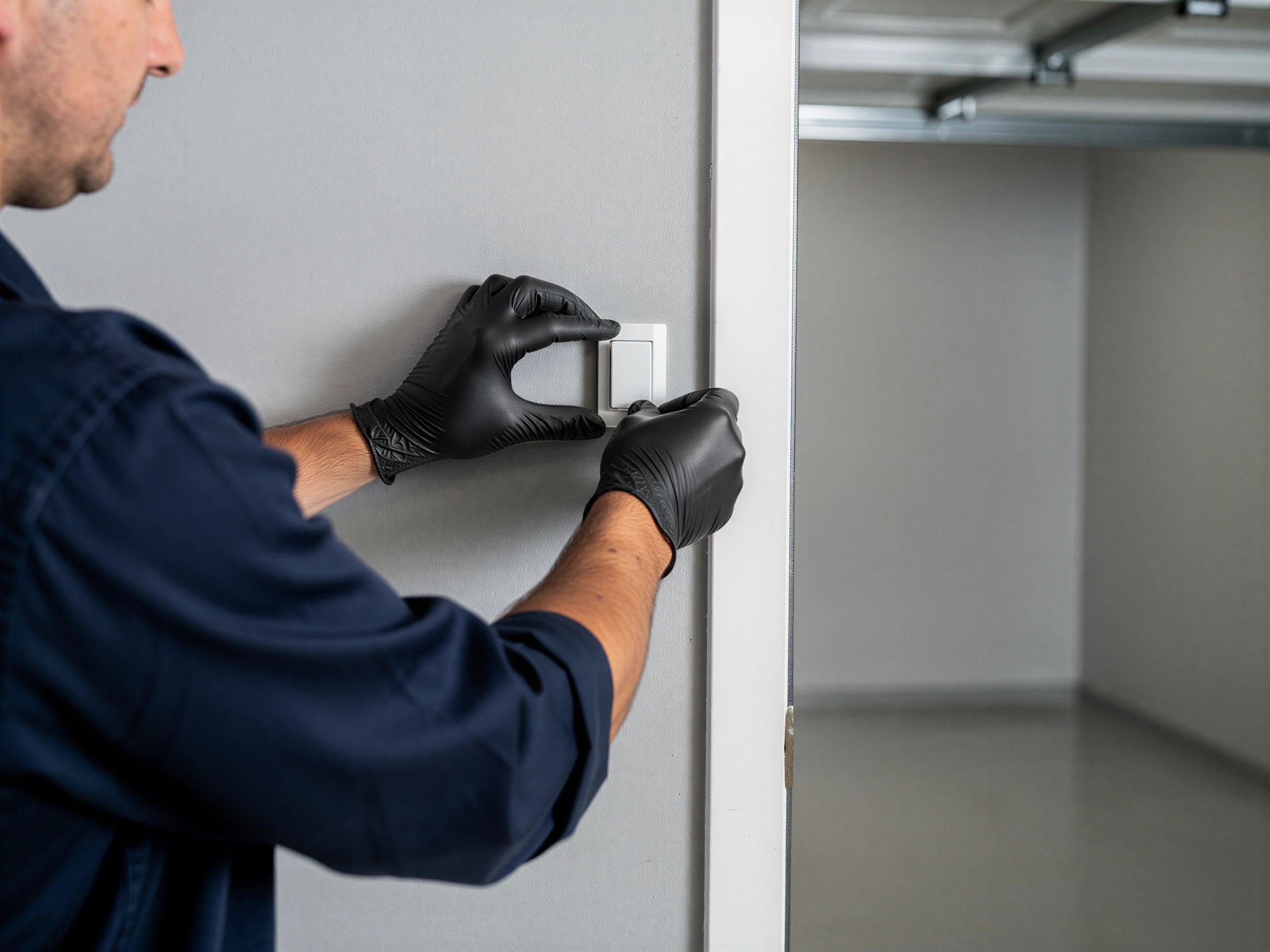
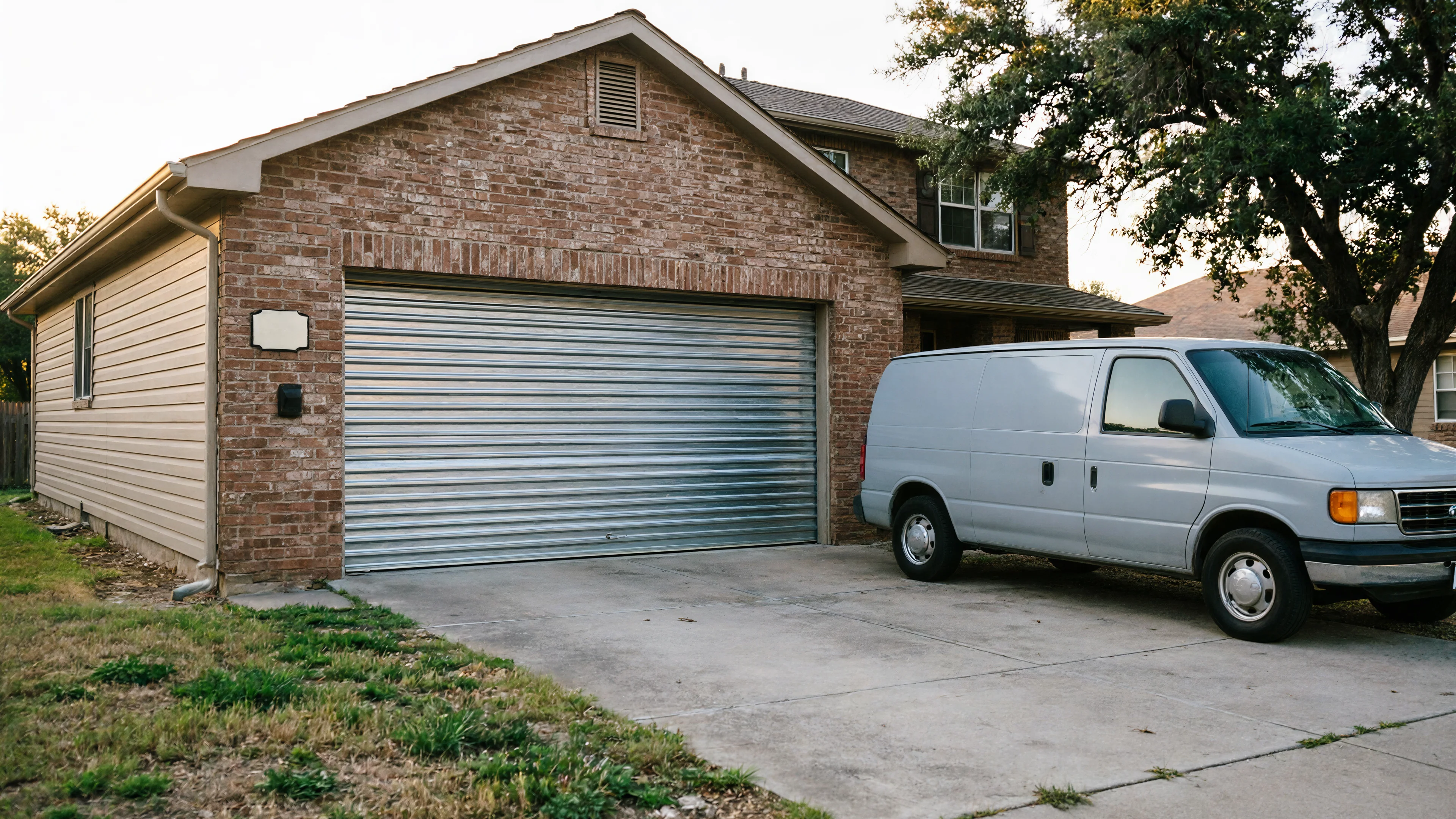
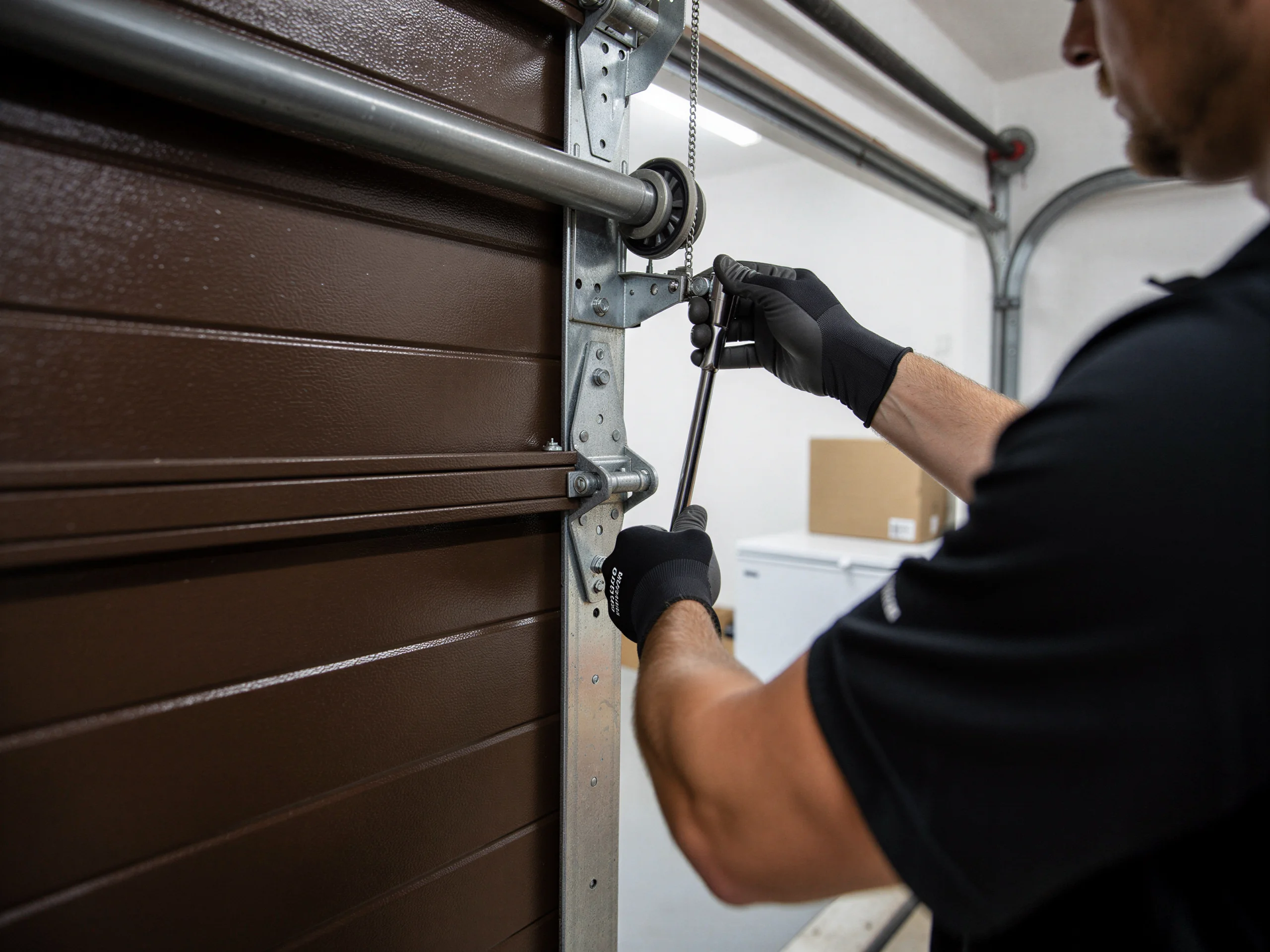
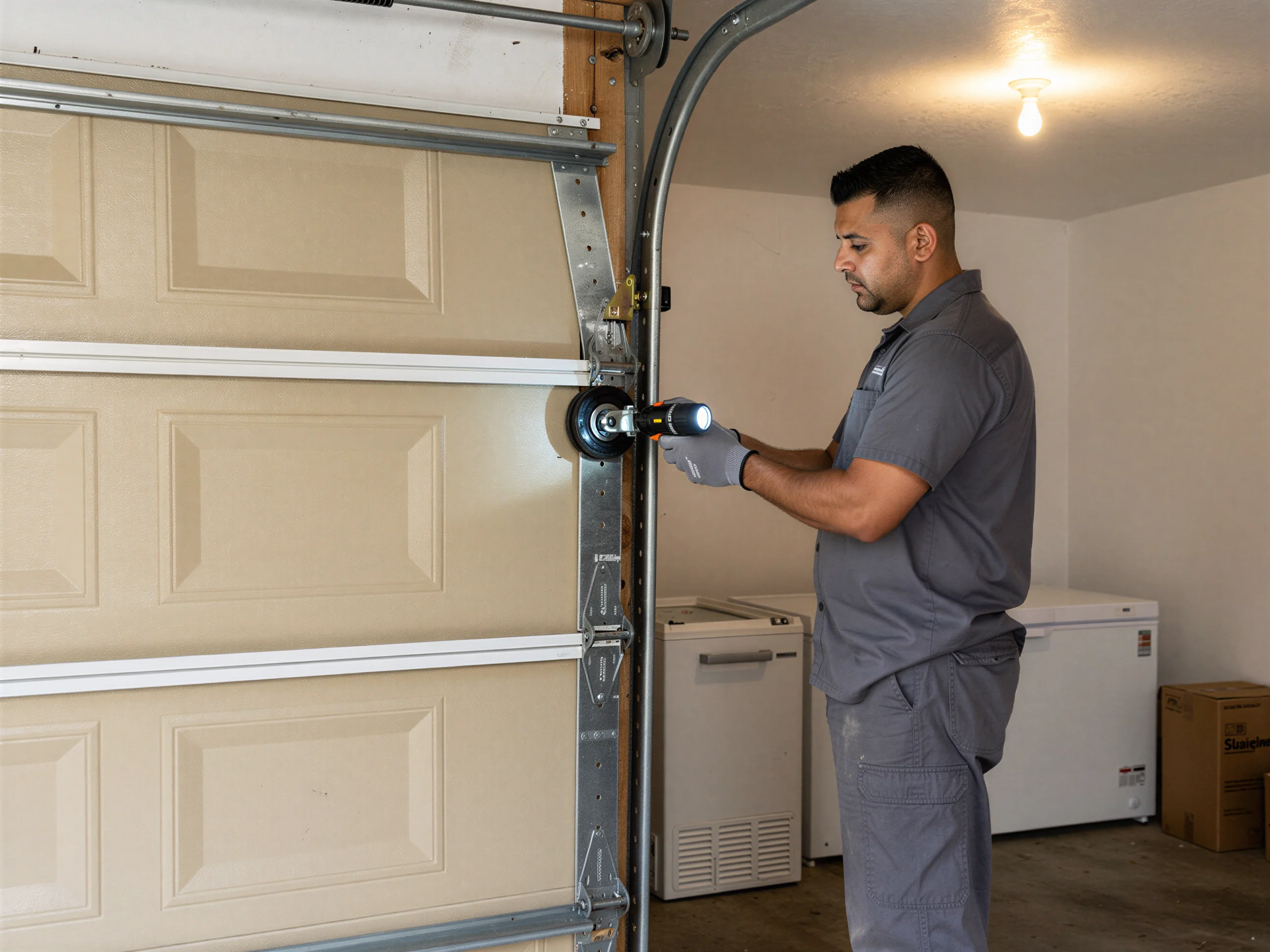
Housing across this area was built mostly between 1953 and 2014, with the bulk going up in the 1980s and 90s and a median build year around 1992. That matters for openers because garages from that era were framed for the chain-drive units sold at the time - lighter-duty motors, older relay-based logic boards, and brackets sized for lighter doors than what builders install today. When one of those original openers finally gives out, the replacement motor is almost always stronger than what the header plate and track were set up to carry, and that mismatch is where new installs go wrong.
The climate band here is moderate heat, not the kind of extreme swing that cracks housings or warps rail in a season, so you're not fighting weather damage on the unit itself. The failure is mechanical age, not climate stress: capacitors and gears in a motor built when the house was new simply wear out after three decades of daily cycles. That's a different repair conversation than a coastal or high-heat market would have, and it's why a straight motor swap onto the existing track is usually the right call here, not a full rail-and-opener teardown.