Bedford, TXSame-day service/Free estimates/Licensed & insured(817) 985-1324

Bedford, TX

Garage Door Repair for Bedford Homes

Bedford homes built between 1953 and 2014 wear out torsion springs and openers differently than newer builds. See what actually fails here and what fixing it takes.

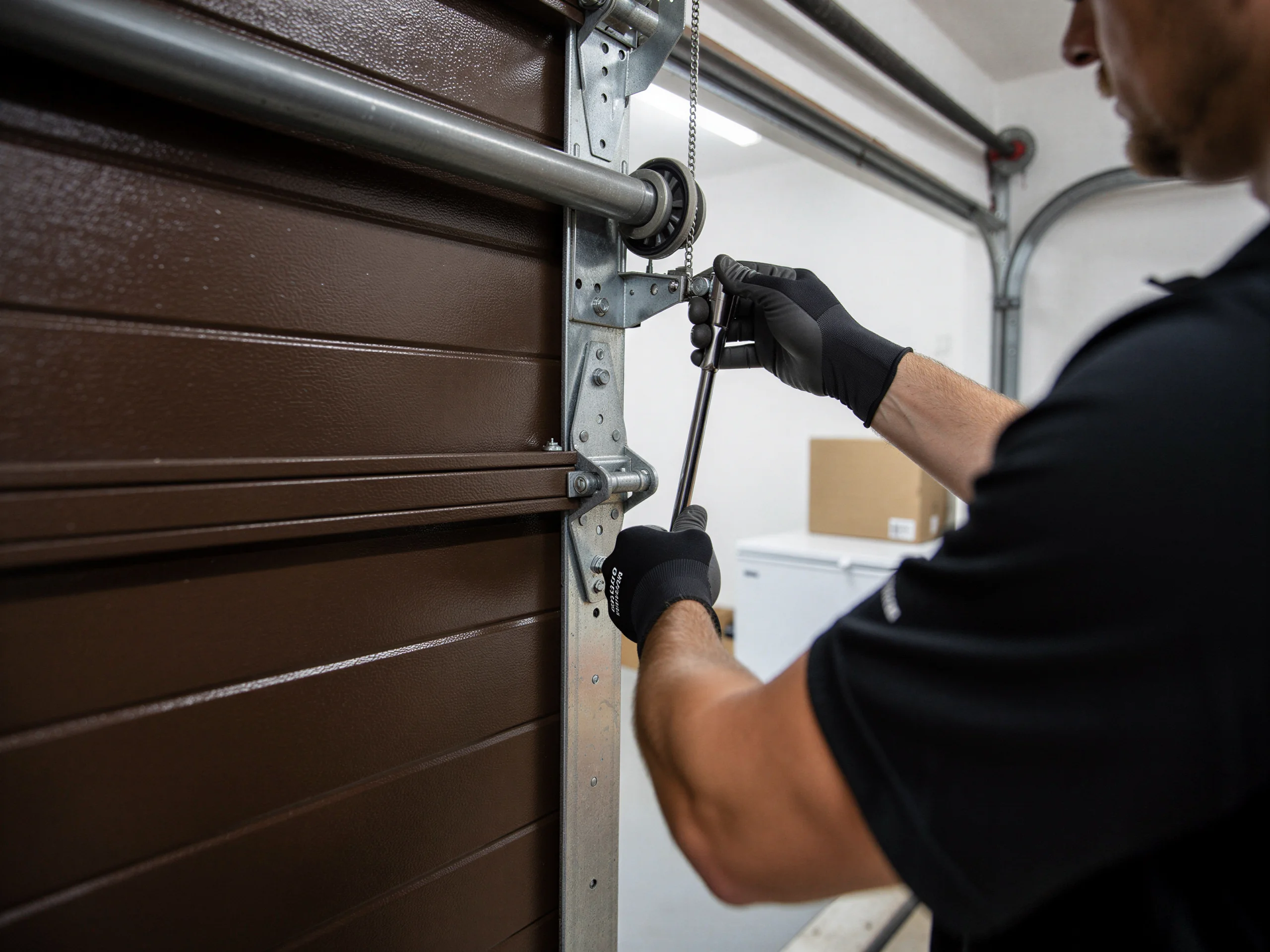
A technician in black gloves adjusts a brown garage door with a tool.
Serving Bedford, TXBackground-checked techsHonest, upfront pricingFast local response
Local
Crews that work this area daily
Same-day
Response for most repair calls
Upfront
Pricing agreed before we start
Insured
Background-checked technicians

Pricing

The Cost of This Job

We're not going to put a number here that doesn't hold up once a tech is standing in your driveway looking at the actual spring size, cable wear, or opener model.

Cost drivers by house age

What we can tell you is what drives the cost up or down in a house like yours. Bedford's housing stock runs from 1953 through 2014, with most of it dating to the 1980s and 90s, so the age of your door hardware matters more than the brand name on it.

Non-standard spring sizing

A torsion spring job on an original setup from the 1980s often needs non-standard spring sizing because the track and drum combinations from that era aren't what's on the shelf today. A door from a 2000s-era build is usually a straighter fix because the parts are still common.

Quotes before any work

The honest answer: the job costs what the parts and the access take, and a tech should tell you that number before touching anything, not after. If a quote changes once the door is open, ask why before you sign off on it.

Local causes

Why This Fails Locally

Bedford sits in a moderate-heat climate band, which means your garage doesn't get the brutal swings some parts of the country see, but it still bakes for a good stretch of the year. That steady heat dries out lubrication on springs and rollers faster than owners expect, and on a house built in the 1980s or 90s - which describes most of the stock here - the original hardware has usually had two or three decades of that cycle with no attention. Add in that a big share of the area's 75,318 owner-occupied houses were bought as starter or move-up homes and kept their original door systems well past the point other home systems got replaced, and you get a predictable failure pattern: springs that finally give out, not from one bad day, but from thirty years of heat-cycle fatigue nobody checked. Newer builds closer to 2010-2014 see less of this because the hardware hasn't had time to fatigue yet. It's less about a single weather event and more about what decades of Texas heat does to steel that's never been serviced.

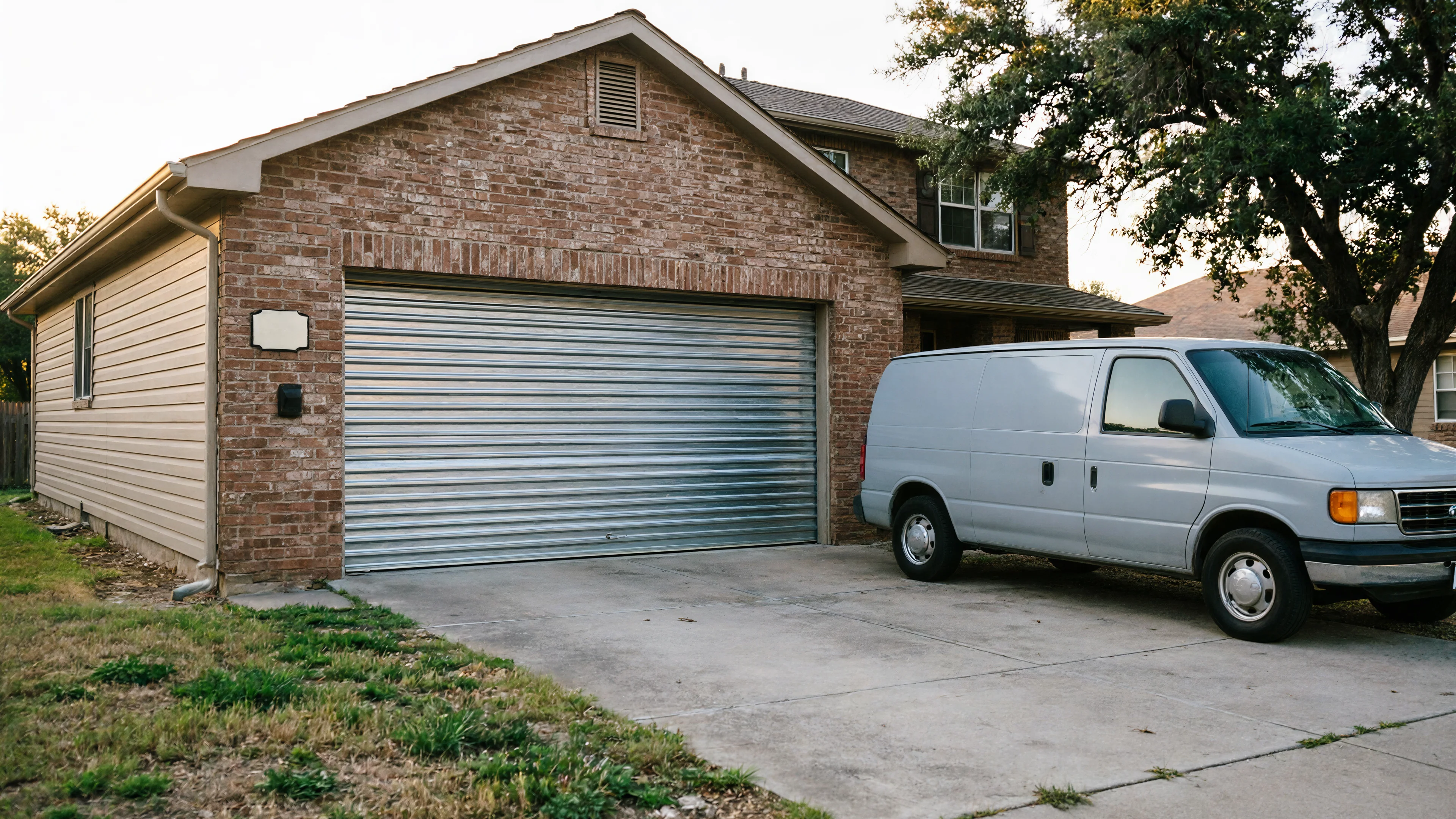
A light gray van is parked in the driveway of a brick house with a metal garage door.

Warning signs

What You Are Seeing

If your door is slow to open, drops the last foot instead of settling, or makes a bang when it lets go, that's almost always a spring that's reached the end of its cycle count - common on the 1980s-90s stock that makes up most of Bedford's 31 named neighborhood areas.

Reversing at the floor

A door that reverses right after touching the floor, or won't close at all, usually points to the safety sensors or the opener's logic board rather than the spring. Cables that look frayed near the bottom bracket are a separate problem from a spring failure, even though they can present the same way - a door that won't lift evenly.

Side hanging lower

On older torsion setups specifically, you'll sometimes see one side of the door hang lower than the other before anything breaks outright; that's the spring already weakening, not a future problem. None of these are DIY-safe once a spring is under tension.

Describing the sound

If you're not sure which one you're looking at, describe the sound and the exact point in the cycle where it fails - that alone usually tells a tech most of what they need before they arrive.

The repair

What the Repair Takes

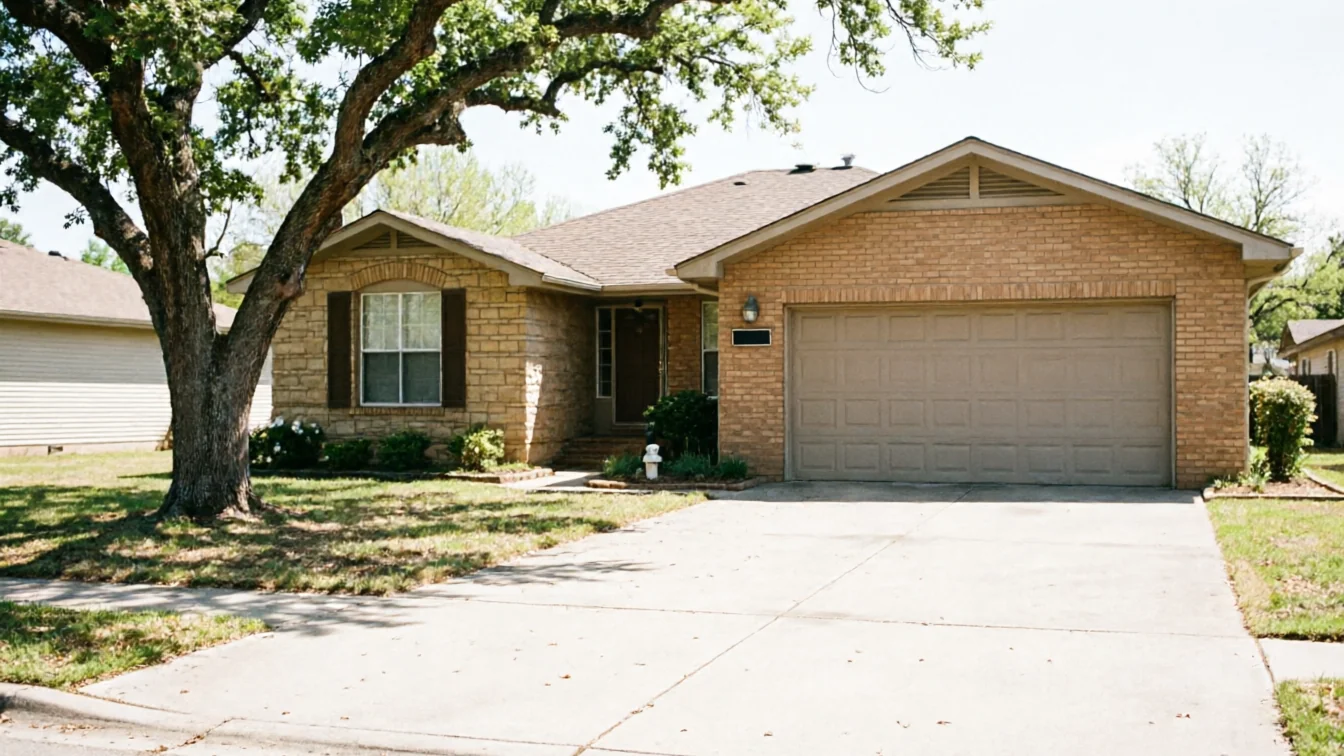
A one-story brick house with a tan garage door and a large tree in the front yard.

A straightforward torsion spring replacement on a standard double door is usually a same-visit job once the tech has the right spring size in hand - the holdup, when there is one, is sourcing non-standard sizing for older original hardware rather than the labor itself. Opener logic board or sensor issues take longer to diagnose than to fix, since the part itself installs fast but finding the actual fault can mean testing several components in sequence. Cable replacement requires releasing spring tension safely first, which is the part that makes this a call-a-tech job rather than a weekend project. One limitation worth saying plainly: if your door's track or drum combination is old enough that the exact replacement part isn't made anymore, the honest fix is sometimes replacing the opener or hardware assembly rather than chasing a part that doesn't exist, and a tech should tell you that instead of stalling the job.

Questions

Common questions

Why do Bedford garage door springs seem to fail without warning?

They rarely fail without warning - the warning is usually a slow door or uneven hang that gets ignored. Bedford's moderate-heat climate accelerates lubrication breakdown on older hardware, and since most local homes date to the 1980s-90s, a lot of springs are decades into their cycle life with no service history, so the final break feels sudden even though the fatigue was building for years.

Does the age of my Bedford house affect the repair?

Yes. Houses here were built between 1953 and 2014, and older setups sometimes use spring or track sizing that isn't the current standard, which can mean a short wait on a part versus a same-visit fix. Newer builds in that range usually use common hardware that's easy to source.

Is it ever cheaper to replace the whole door instead of repairing it?

Sometimes, especially on original hardware from the 1980s where the track and drum combination is discontinued. Chasing an obsolete part can cost more in labor and delay than replacing the assembly outright. A tech should walk you through that tradeoff before starting, not after.

Explore more

Explore More Services In Bedford, TX

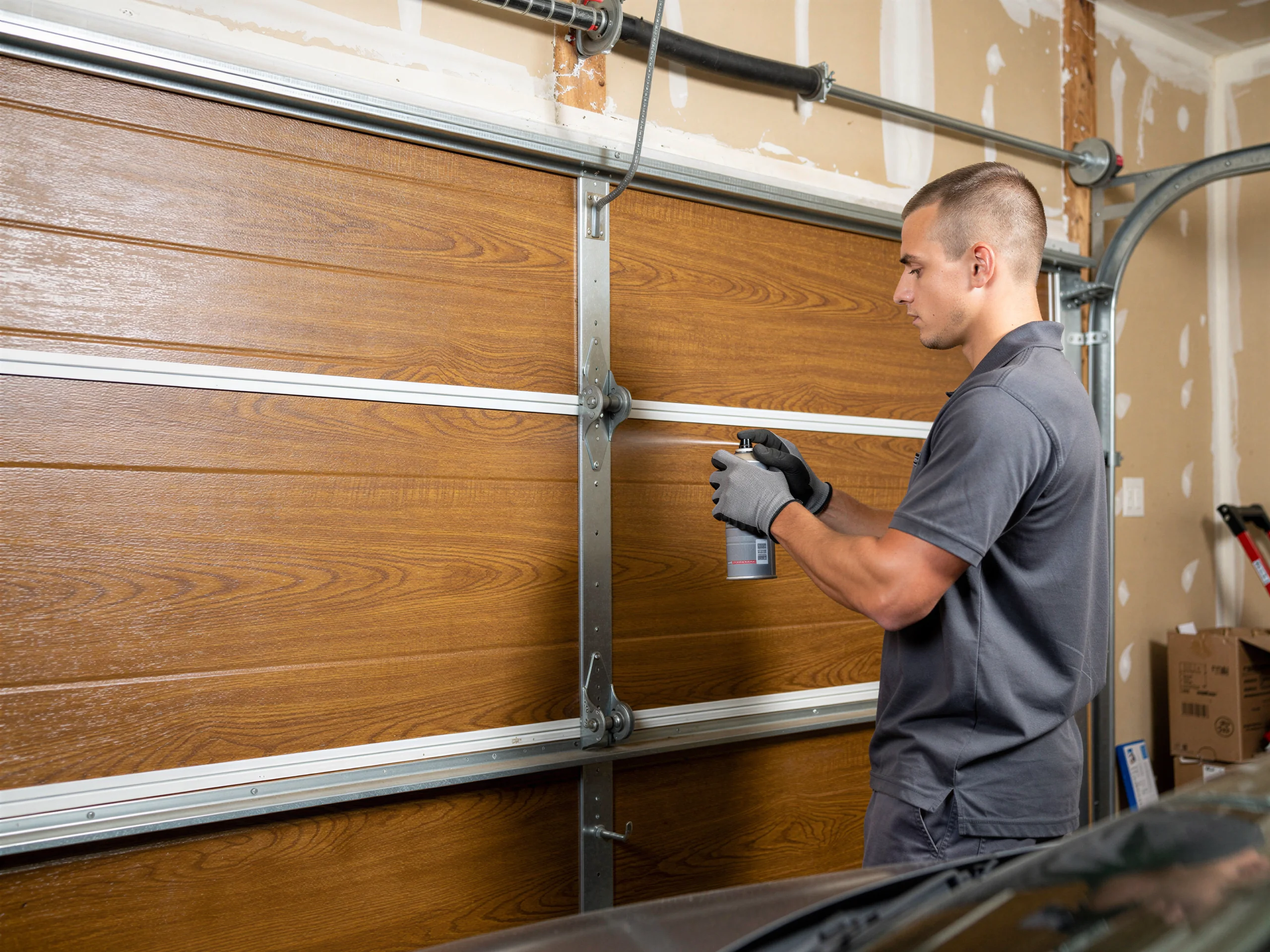
A technician sprays lubricant on a brown garage door with metal tracks.

Garage Door Service for Bedford Homes

Bedford homes built between 1953 and 2014 wear out garage door hardware in predictable ways. Learn more →
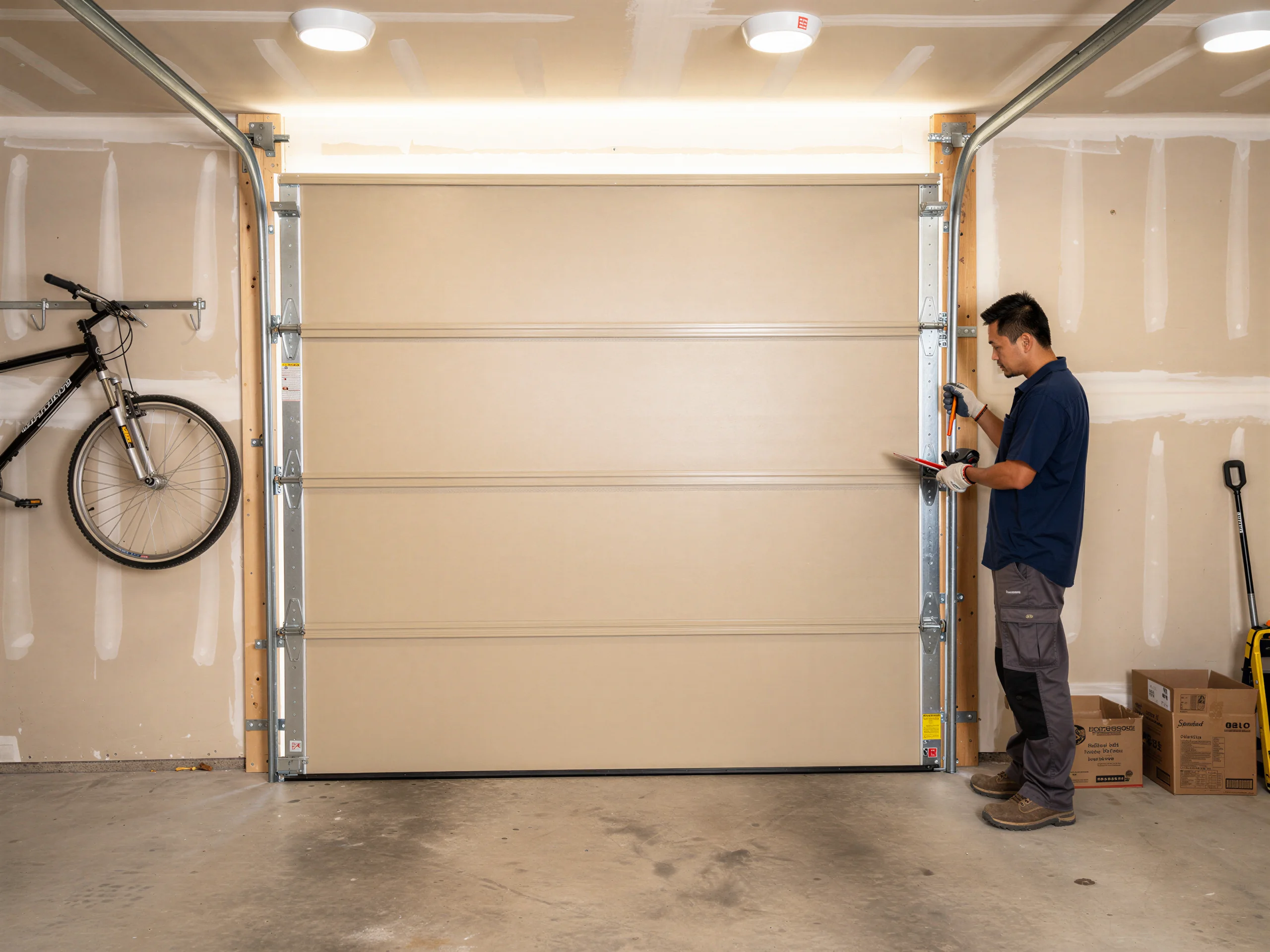
A technician inspects a closed tan garage door with a bicycle hanging on the left wall.

Garage Door Installation in Bedford, TX

Bedford Garage Door Pros installs garage doors sized for the 1953-2014 housing stock around Bedford, TX, matching tracks and openers to original framing and hardware. Learn more →
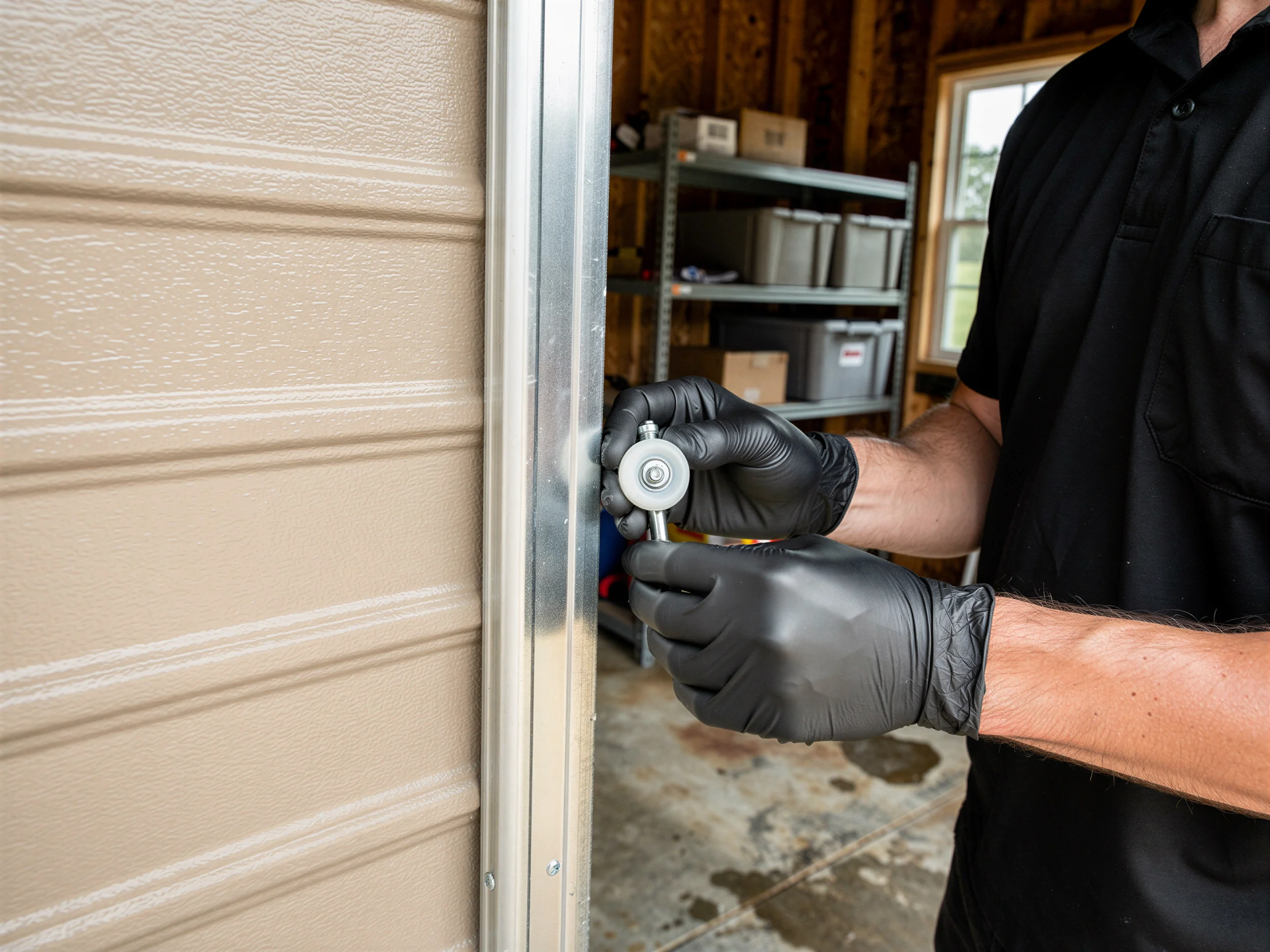
A technician in black gloves holds a garage door roller next to a beige garage door.

Garage Door Roller Replacement, Bedford TX

Worn rollers on Bedford homes built from the 1950s through the 2010s cause grinding and sticking tracks. Learn more →
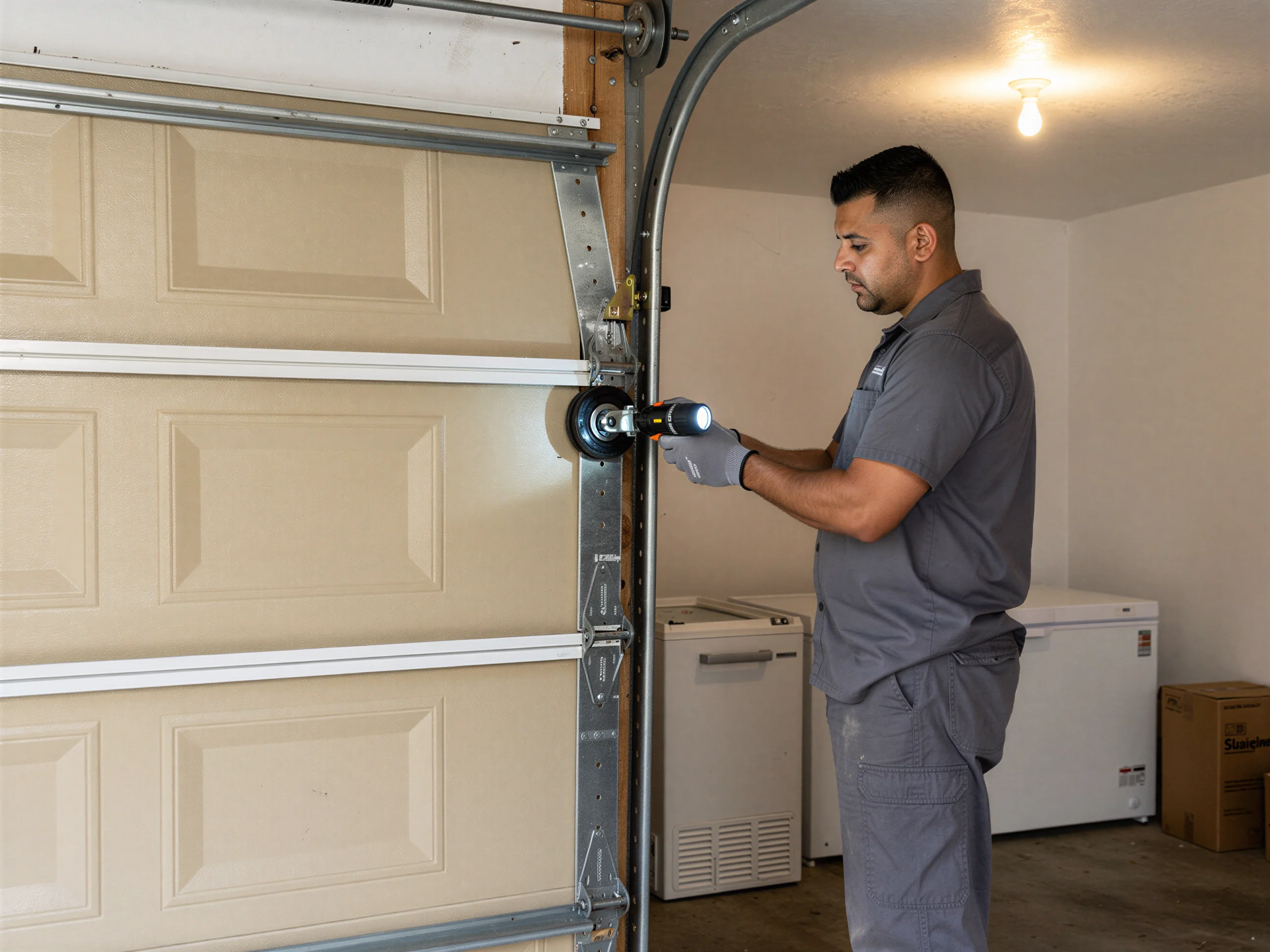
A technician shines a flashlight on a beige garage door track and roller.

When a Garage Door Jumps the Track

A door that's jumped the track is common in homes built across Bedford's 1953-2014 housing stock. Learn more →
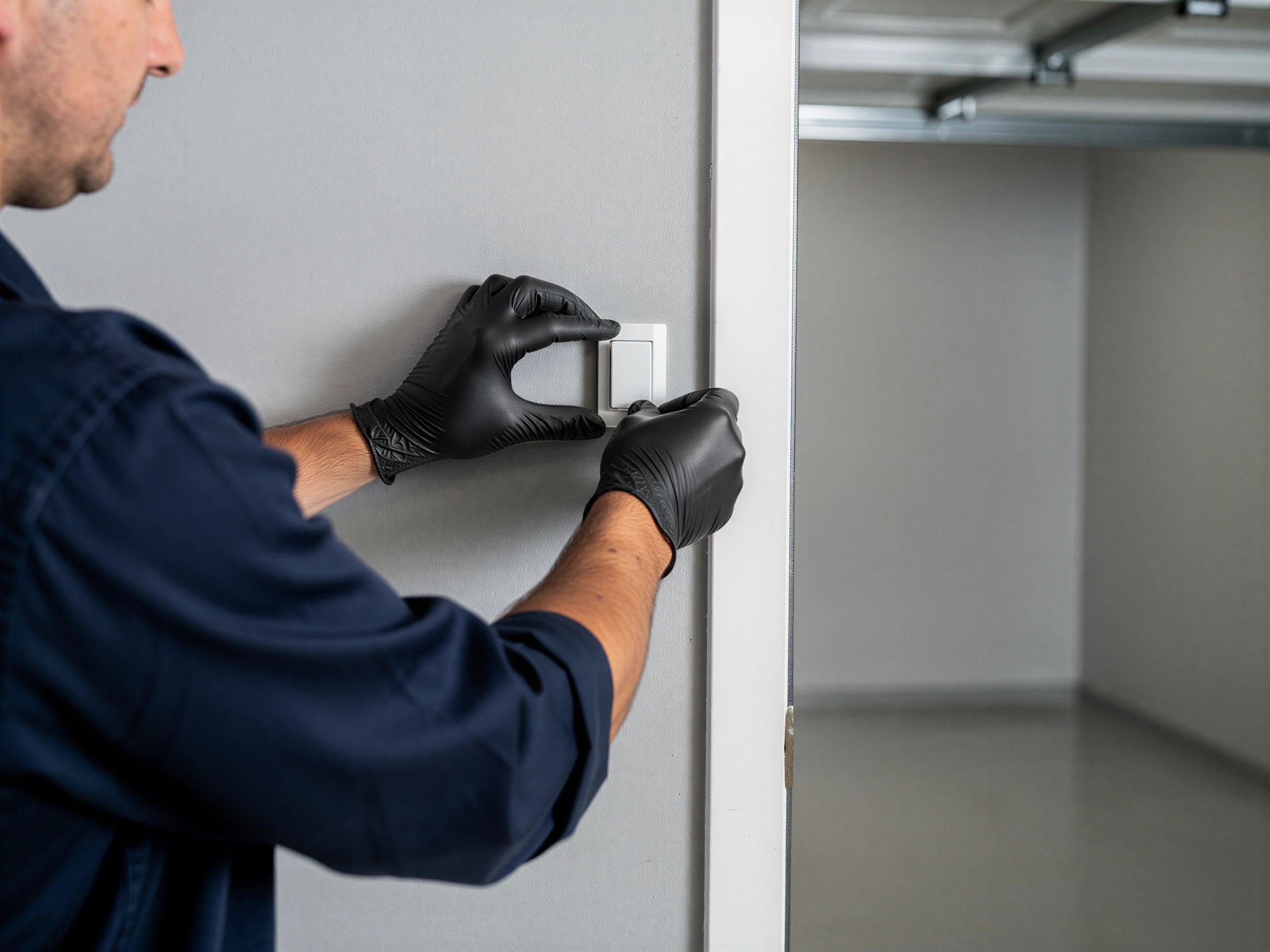
A technician in black gloves installs a white light switch on a gray wall.

Garage Door Opener Installation for Bedford Homes

Opener installs for Bedford homes built mostly in the 1980s-90s, matched to older track and header clearance instead of a generic big-box kit. Learn more →
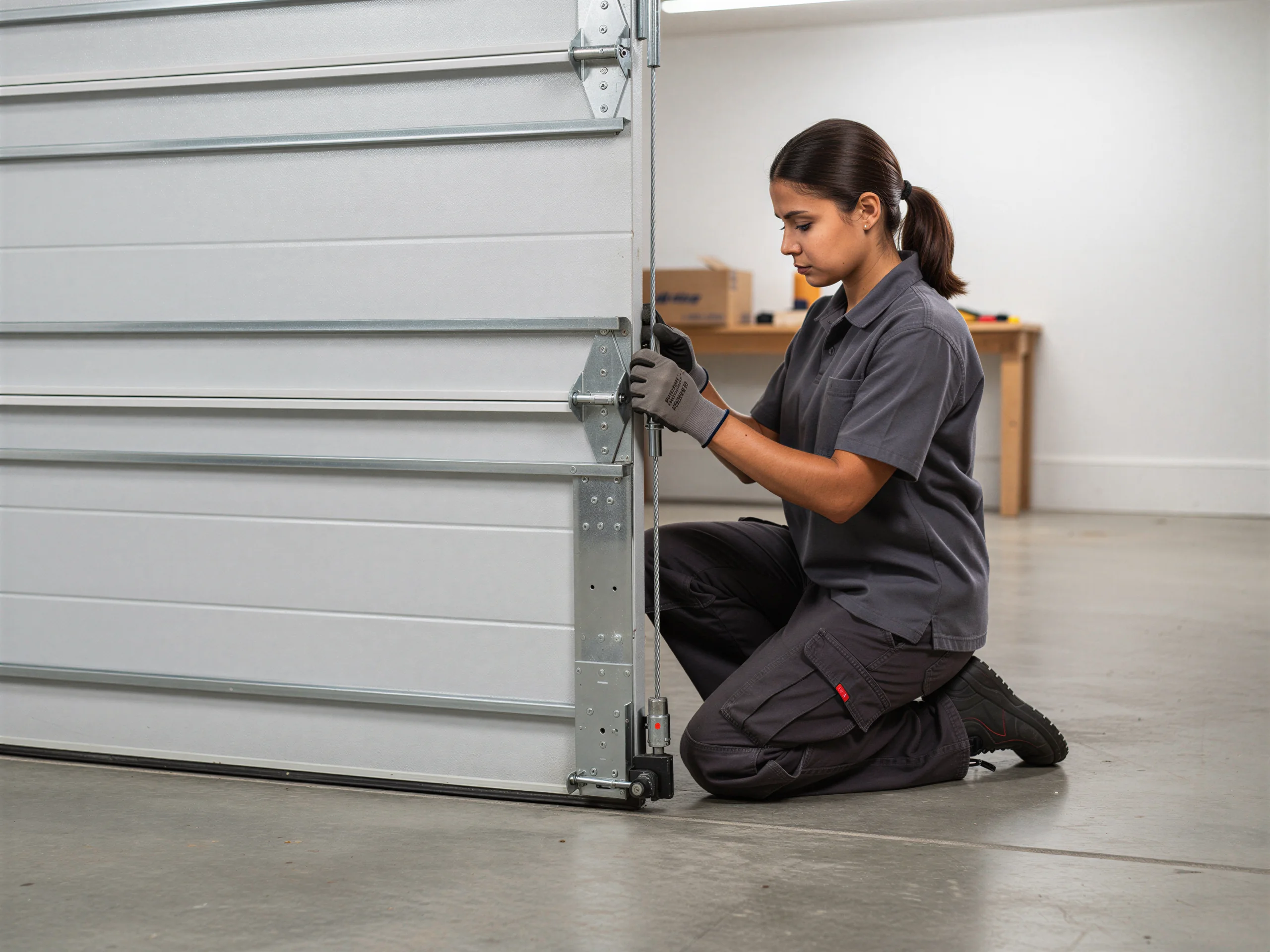
A technician kneels while working on the bottom of a white garage door.

Broken or Frayed Garage Door Cables in Bedford, TX

Frayed, snapped, or off-drum garage door cables are common in Bedford's older housing stock. Learn more →

Ready when you are

Need a garage door sorted in Bedford?

Bedford Garage Door Pros repairs and installs garage doors, springs and openers in Bedford, TX and the surrounding area.

Call NowGet a quote