
Blog
Is Your Old Bedford Garage Door Worth Fixing, or Done
Bedford's housing stock runs 1953 to 2014, median year 1992, in a moderate-heat band. Here's how to tell if your older garage door is still worth repairing.
What Local Conditions Do
Bedford sits in a climate band classed as moderate heat, not the high-heat corridor some towns closer to the coast or further south deal with. That matters for garage doors because heat is what kills rubber seals, dries out lubricant in torsion springs, and warps thin steel panels over time. Moderate heat means your door's weatherstripping and hardware age slower here than they would somewhere hotter, but slower is not never. Most Bedford homes went up between 1953 and 2014, with the bulk of the stock dating to the 1980s and 90s, so a huge share of doors in this town are now pushing thirty to forty years on original hardware that was never rated for that long. The steel panels from that era are thinner than what's made today, and the springs were sized for a lighter, pre-insulated door. When a homeowner here calls about a door that's suddenly loud, sagging, or slow to close, the age of the house usually tells us more than anything else before we even look at the door itself.
Doing Nothing For Now
Not every older door needs work right away, and we'll say that plainly: if your door from the 1980s or 90s still opens level, the cables aren't frayed, and the opener doesn't grind or stutter, you can leave it alone. A door that's cosmetically dated but mechanically sound isn't a problem, it's just old. Where we'd tell a Bedford homeowner to wait is a door with minor surface rust on the bottom panel, a little noise that's been consistent for years, or weatherstripping that's cracked but still sealing. None of that is urgent. Where we wouldn't wait: a torsion spring that's visibly stretched or has a gap in its coils, a cable with broken strands, or a door that drops suddenly partway through its cycle. Those are safety issues, not maintenance items, and they don't get better with time. The honest limitation here is that we can't tell you over the phone which category your door is in. A five-minute look at the hardware tells us more than a description does, every time.
The Problem
The doors causing the most trouble in Bedford right now are the ones installed when the median house here was built, around 1992. That generation of door typically came with extension springs mounted along the horizontal tracks rather than torsion springs over the header, and openers with no rolling-code security and limited safety reverse sensing. Parts for that exact combination are getting harder to source new, and when they do turn up, they're often not a drop-in match for the track spacing or drum size used back then. So a repair on a true 1980s or early-90s door sometimes turns into a partial retrofit rather than a straight swap. That's not a reason to replace the whole door automatically, but it is a reason the repair can cost more than a homeowner expects going in. The other issue specific to this housing stock is that many garages from that era were built with openings slightly narrower than today's standard, so a like-for-like panel replacement isn't always available off the shelf.
What to Look At First
Start at the spring, since that's the part most likely to fail on a door built in the window Bedford's housing stock falls into. Look for a visible gap in the coil or one side sitting noticeably lower than the other when the door is down. Next, check the cables for fraying near the bottom bracket, especially on doors that have never had the cables replaced. Then run the door by hand with the opener disconnected: it should move smoothly and stay roughly where you leave it at any point. If it crashes down or won't budge, the spring tension is off. Last, look at the panels themselves for rust-through at the bottom edge, which is common on steel doors from the 80s and 90s that have sat near sprinkler lines or low grading. If the frame and track are square and the panels are solid, a 1990s-era door is usually worth repairing. If the bottom panel is rusted through and the track is bent, replacement is the better money.
Questions
Common questions
Is a garage door from the 1980s or 90s still worth repairing in Bedford
Usually yes, if the frame is square, the track isn't bent, and the panels aren't rusted through. Most of the failures we see on doors this age are springs and cables, not the door itself, and both are repairable. The decision point is panel condition and whether the opening still matches a stock replacement size.
Why is my old garage door spring harder to replace than a newer one
Doors built when Bedford's housing was going up, mostly the 1980s and 90s, often used extension springs and drum sizes that aren't a direct match for today's standard torsion hardware. A repair can mean adapting mounting points rather than a simple swap, which takes more labor than a newer door's repair does.
Does Bedford's climate wear out garage doors faster than other places
No, moderate heat is actually easier on seals and lubricant than the high-heat bands found elsewhere in North Texas. The bigger factor in Bedford is the age of the housing stock itself, not the weather. A well-maintained door from the 1990s can outlast a poorly maintained door from last year.
How do I know if my door's track spacing is non-standard
If your house dates to the 1980s or early 90s, which covers a large share of Bedford, the garage opening may be a few inches narrower than today's standard sizes. We measure the opening and the existing track before ordering any panel to confirm fit, rather than assuming a modern stock size will work.
Recommendation
You Might Also Like
More garage door guides for Bedford homeowners.
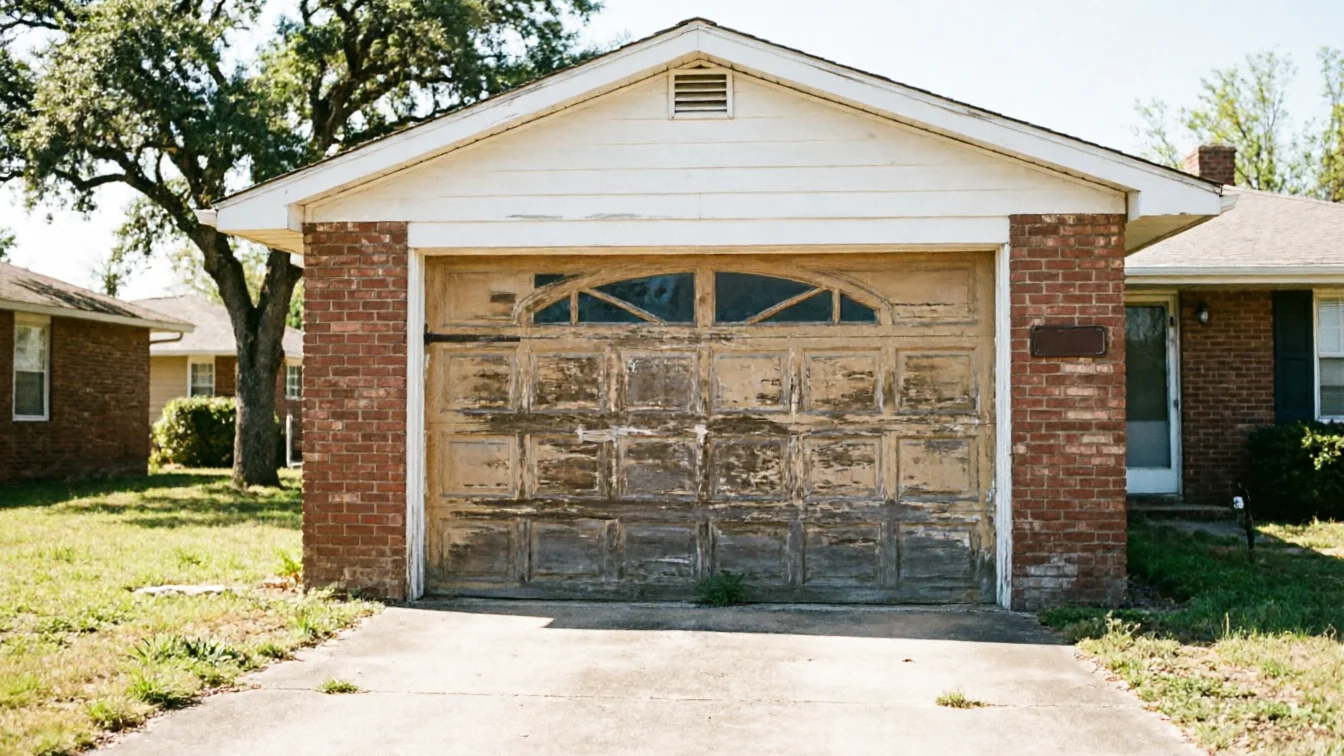
What We Actually Check When We Come Out to Your Bedford Garage
A look at what a Bedford, TX garage door service call actually checks, tied to the area's 1980s-90s housing stock and moderate heat climate band.
Read guide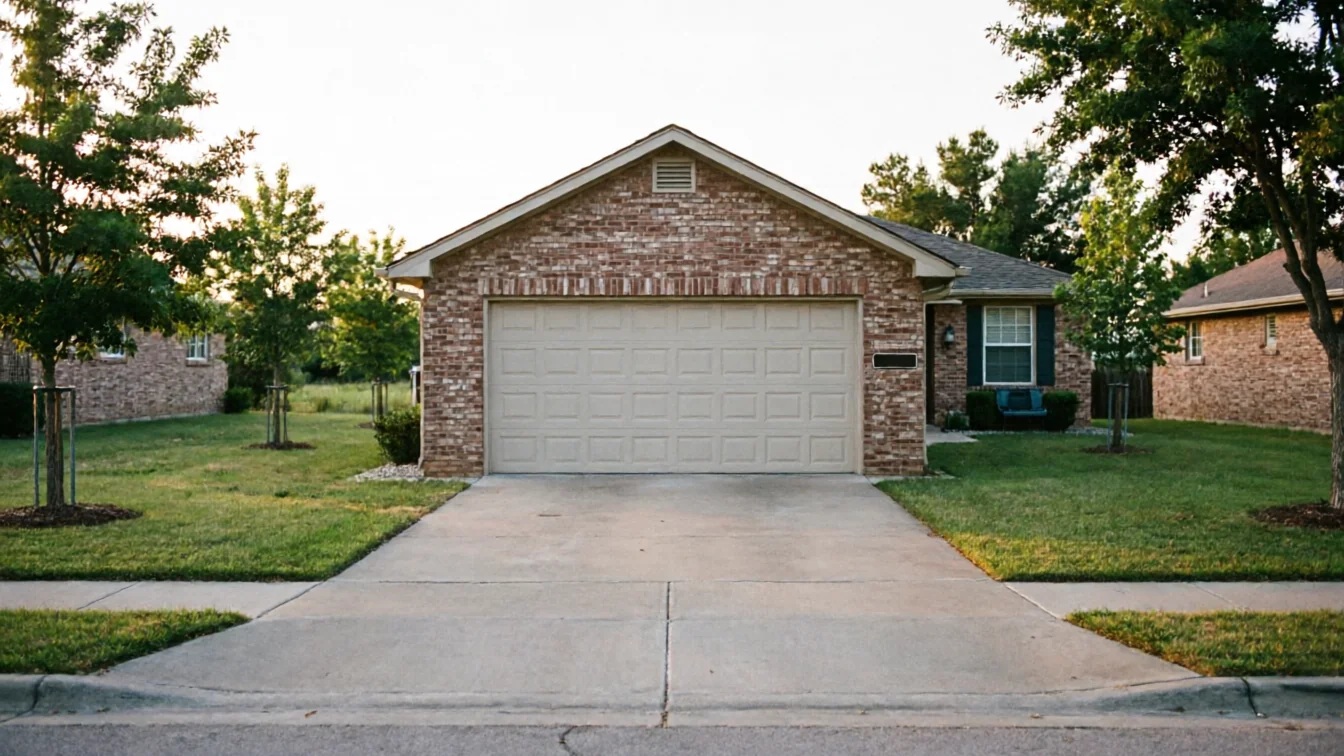
Garage Door Work for Bedford Houses, Not a Generic Fix-All
Bedford homes date mostly to 1953-2014, median year 1992.
Read guide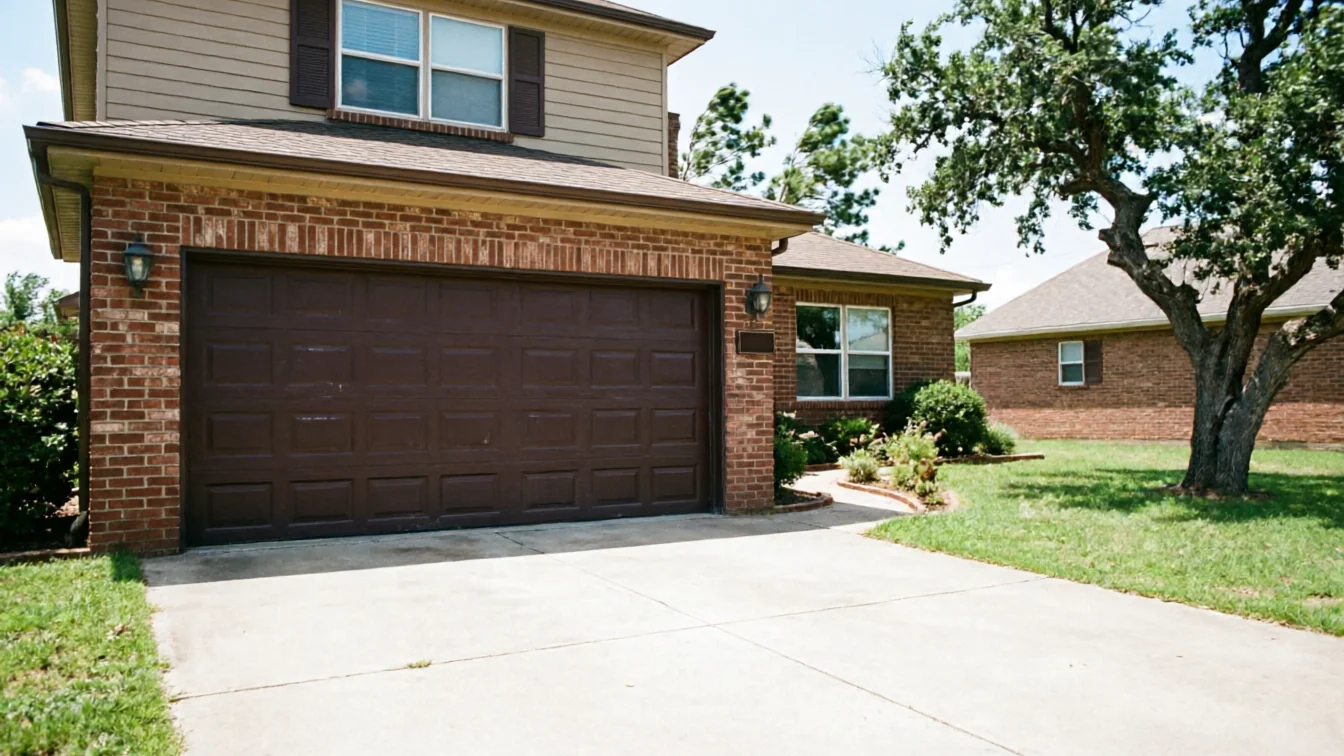
What That Noise From Your Garage Door Is Trying to Tell You
Bedford homes built mostly in the 1980s and 90s have specific noise patterns tied to original hardware and heat cycling.
Read guideReady when you are
Need a garage door sorted in Bedford?
Bedford Garage Door Pros repairs and installs garage doors, springs and openers in Bedford, TX and the surrounding area.