
Blog
Weather Seals and Draughts in Bedford Garages
Bedford homes built mostly between 1953 and 2014 develop gaps around garage door seals from heat cycling. Here's what to check before you call for a repair.
What Local Conditions Do
Bedford's housing stock runs from 1953 up through 2014, with most of it clustered in the 1980s and 90s across the surrounding named areas. That range matters because the bottom seal and side weather seals on a garage door are rubber, and rubber ages on a schedule set by heat, not by the calendar on your kitchen wall. Bedford sits in a moderate heat climate band, which doesn't sound dramatic, but it means the slab under your door and the frame around it go through real expansion and contraction every season, not just in a brutal summer spike. A door installed when a house was built in, say, 1988 has had over three decades of that cycling. The seal hardens, shrinks slightly, and pulls away from the slab at the corners first. You'll feel it as a draught along the bottom edge or see daylight at the corners where the vinyl bead used to sit flush. Older tracks on 1950s-60s construction in this area sometimes have different reveal depths than what's sold in stores now, which is worth knowing before you buy a seal kit off a shelf and find it doesn't seat right.
Doing Nothing For Now
If the draught is minor and you're not losing conditioned air or seeing water track in during rain, you can leave it. A hardened seal that's still mostly seated isn't an emergency, and replacing it early doesn't save you money later. Where this area's price point matters: with a median household income around $117,853 across the region, most owners here aren't stretching a budget to fix a cosmetic gap. The honest limit is that we don't push seal replacement as a standalone call unless you want it done - it's a low-cost part, and if your door is otherwise sound, it's the kind of thing worth bundling into your next scheduled visit instead of a dedicated trip. Where it stops being optional is when the gap runs the full width of the door, or when the seal has cracked into pieces rather than just stiffened. At that point it's not holding anything back and there's no reason to wait.
The Problem
The actual failure mode in Bedford houses isn't the seal itself - it's what the seal was never designed to cover. On housing from the 1980s and 90s, which is most of what's here, the bottom seal was sized for a slab height and door bottom that haven't moved, but concrete settles over 30-plus years. A quarter-inch of slab settlement at one corner means the seal that fit perfectly in 1992 now has a permanent gap no matter how new the rubber is. Swapping the seal fixes the rubber but not the gap, and you'll be back here in a year wondering why the draught came back. The real fix in that case is adjusting the door's travel or, on older torsion setups, shimming the track at the low corner so the door meets the floor evenly again. That's a adjustment job, not a parts swap, and it's the piece people skip because the seal was the visible symptom.
What to Look At First
Before assuming you need a new seal, check three things. First, run a hand along the bottom edge with the door closed and feel for where the gap is worst - one corner usually tells you it's settlement, not just worn rubber. Second, look at the side seals where the door meets the jamb; on houses from the earlier end of Bedford's 1953-2014 range, the jamb trim itself has sometimes shifted, which throws the seal off no matter how new it is. Third, if your house is on the newer end of that range, closer to the 2014 side, a draught is more likely a straight seal-wear issue since settlement hasn't had decades to happen yet. None of this requires tools, just a flashlight and ten minutes, and it tells you whether you're buying a $20 seal or scheduling an adjustment.
Questions
Common questions
Why does my garage door let in a draught even with a new seal?
In Bedford, a lot of houses are 20 to 40 years old, and the slab has settled slightly at one or more corners over that time. A new seal fills the rubber gap but can't fix a slab that's no longer level with the door bottom. If the draught comes back fast after a seal swap, the fix is adjusting the door's travel, not buying another seal.
How often should weather seals be replaced on an older Bedford home?
There's no fixed interval we'd state without seeing the door, but houses from the 1980s-90s range that make up most of this area's stock tend to show seal hardening and shrinkage over a decade or more of heat cycling. Check it visually once a year; if it's cracked or pulled away at the corners, replace it then rather than waiting.
Is a draught around the garage door worth an emergency call?
Usually not. A minor gap at the bottom or sides is a maintenance item, not an emergency, especially if the door still closes fully and seals aren't torn through. Save it for a scheduled visit unless the gap runs the full width of the door or water is actively coming in during rain.
Recommendation
You Might Also Like
More garage door guides for Bedford homeowners.
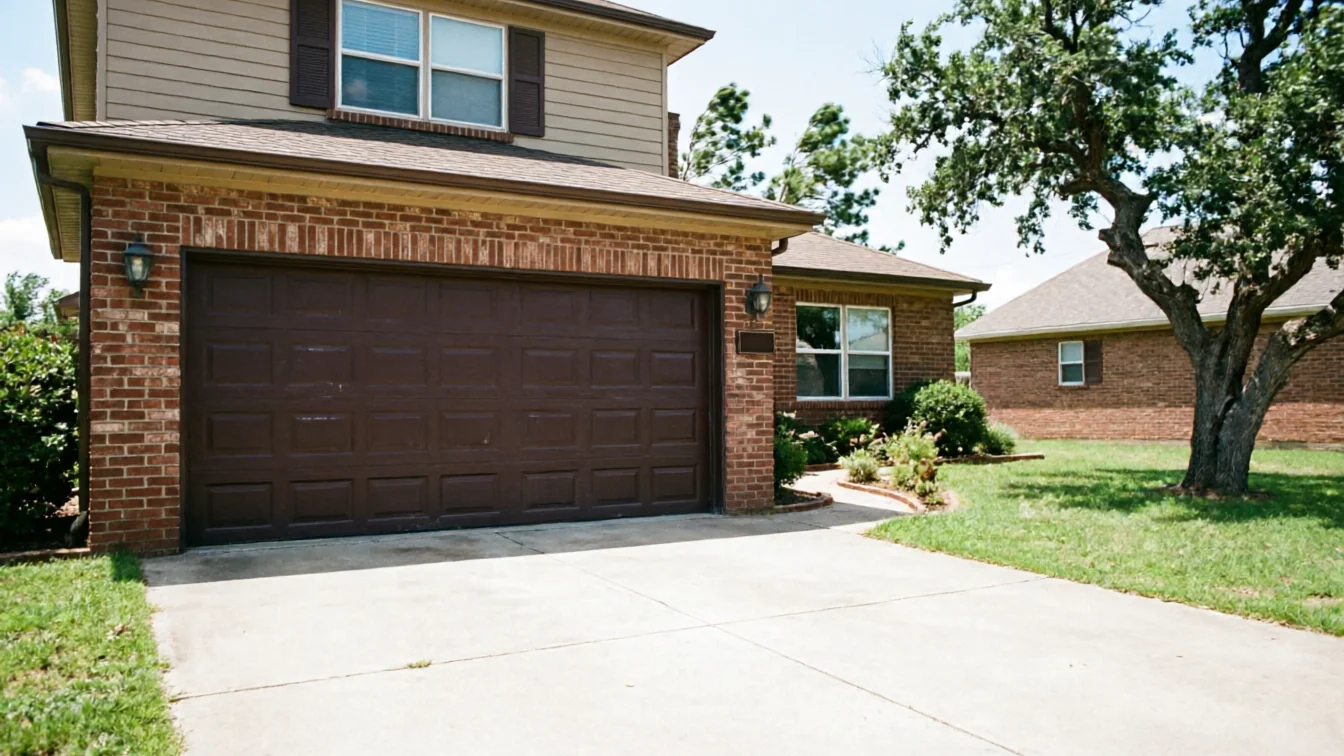
What That Noise From Your Garage Door Is Trying to Tell You
Bedford homes built mostly in the 1980s and 90s have specific noise patterns tied to original hardware and heat cycling.
Read guide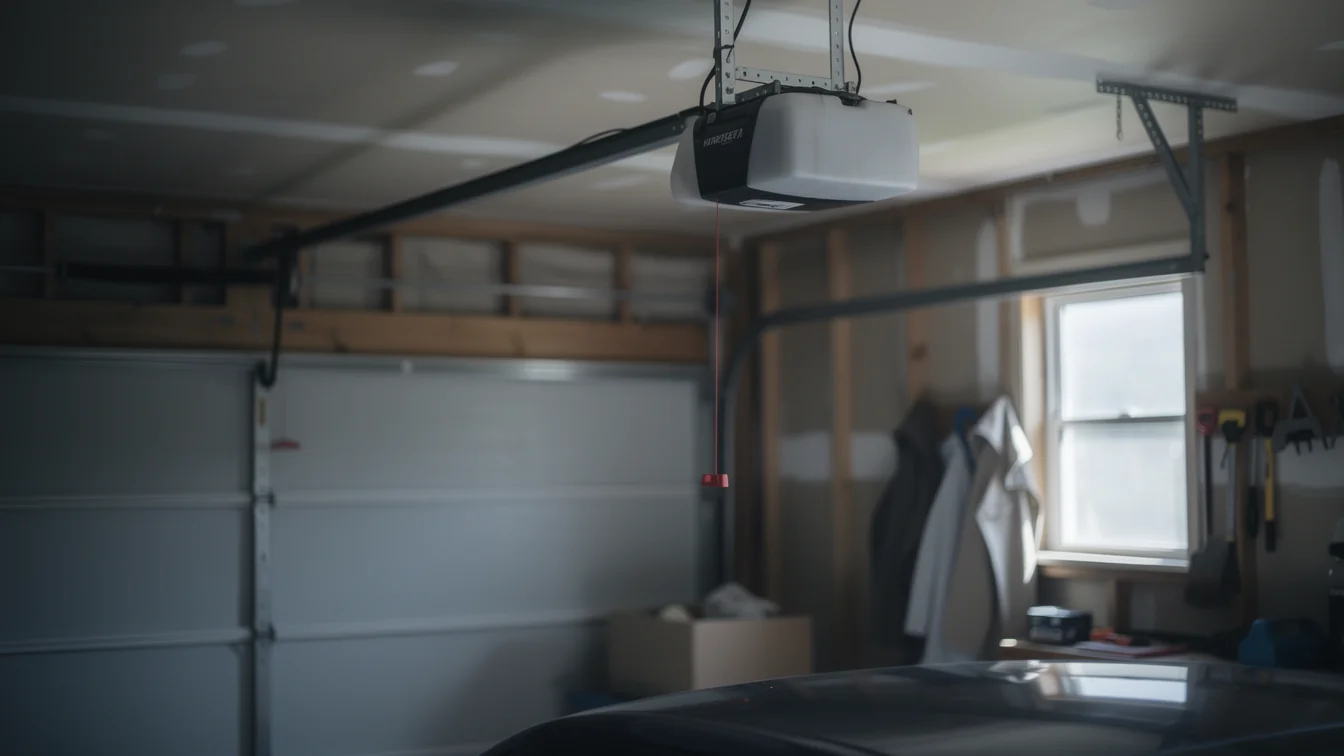
Bedford Garage Door Openers and Power Outages: What Actually Fails
Bedford, TX garage openers built in the 1980s-90s often fail during storm power cuts and summer heat spikes.
Read guide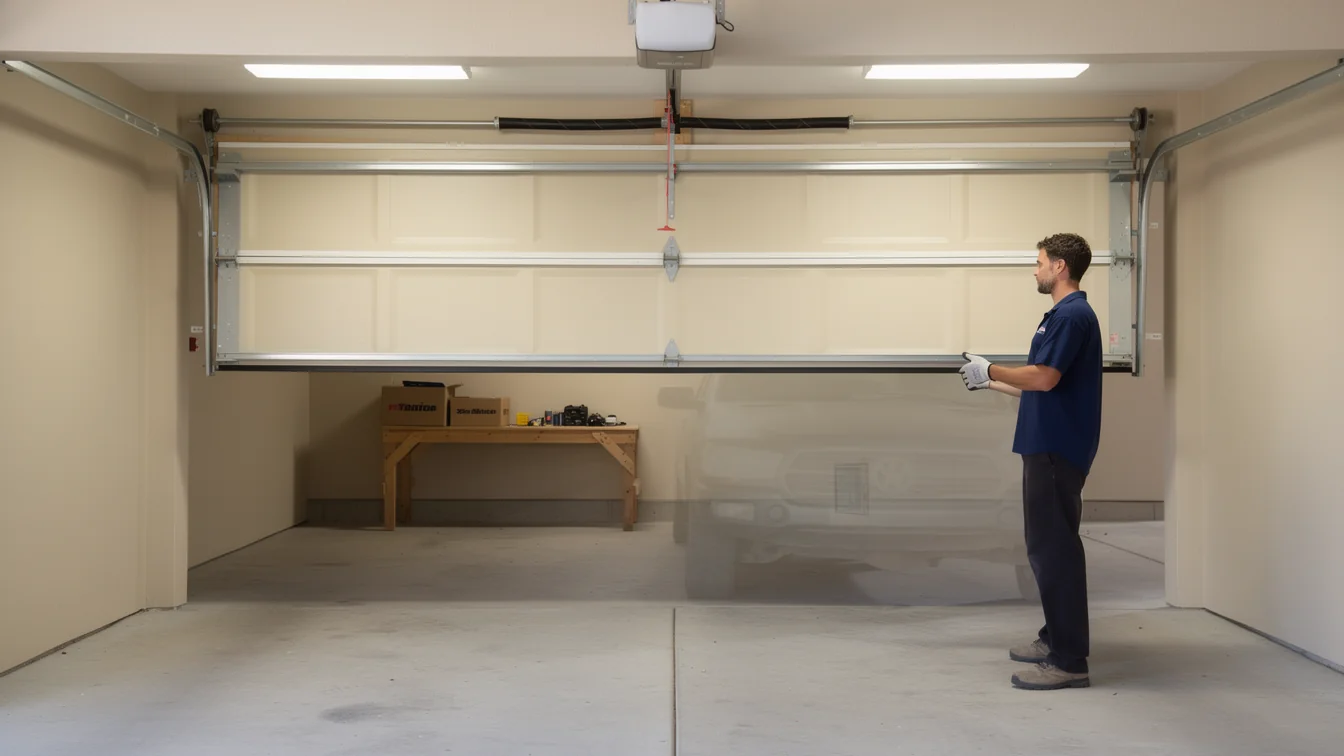
Why Your Bedford Garage Door Keeps Jumping the Track
Bedford homes built mostly in the 1980s and 90s show specific off-track patterns tied to original hardware age and Texas heat.
Read guideReady when you are
Need a garage door sorted in Bedford?
Bedford Garage Door Pros repairs and installs garage doors, springs and openers in Bedford, TX and the surrounding area.