
Blog
What We Actually Check When We Come Out to Your Bedford Garage
A look at what a Bedford, TX garage door service call actually checks, tied to the area's 1980s-90s housing stock and moderate heat climate band.
What Local Conditions Do
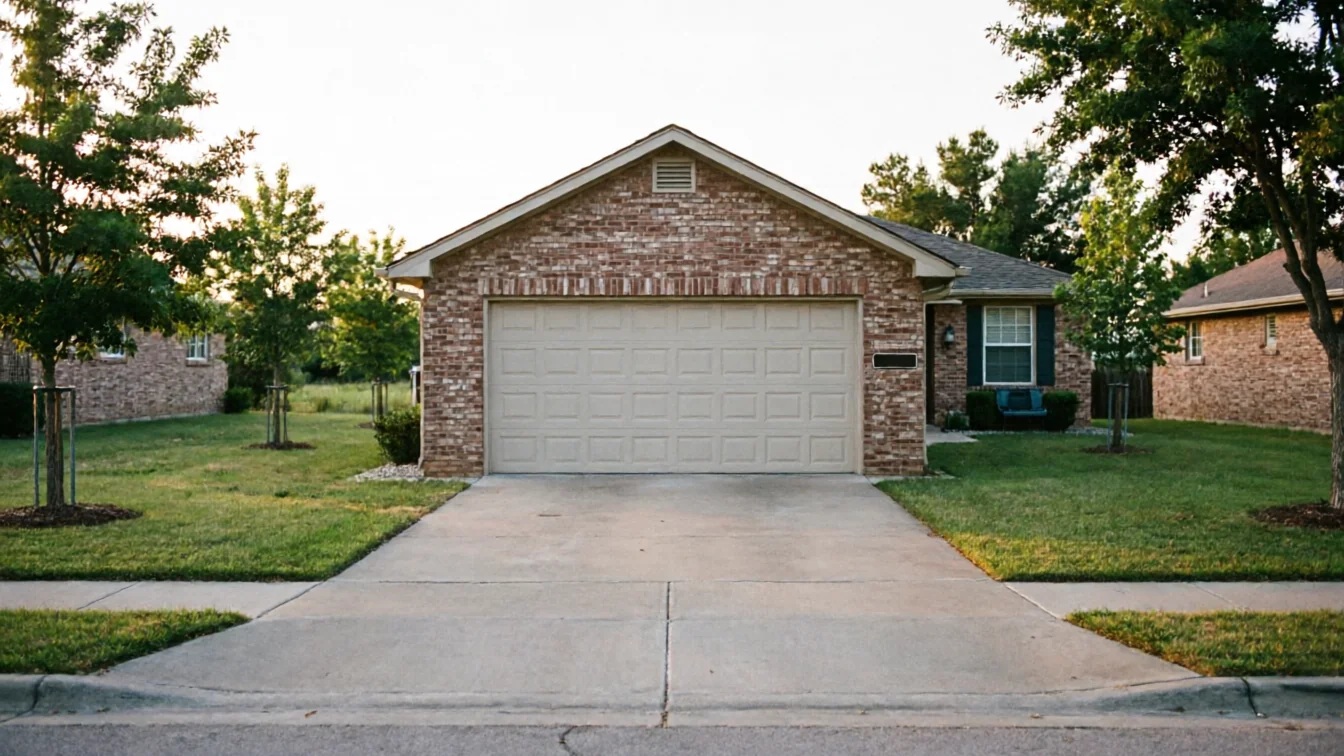
Bedford sits in a moderate heat climate band, not the kind of place where a 40-degree swing in one afternoon snaps a spring clean in half. That matters because it changes what actually fails on your door. In towns with brutal freeze-thaw cycles, metal fatigue is the main driver. Here, heat does its damage slower - it dries out lubricant, lets nylon rollers go brittle, and bakes the rubber weatherseal at the bottom of the door until it cracks and lets heat and dust into the garage. Most of the houses we're called to were built between 1953 and 2014, with the typical build year landing around 1992, and a lot of that stock across the area's named pockets dates to the 1980s and 90s specifically. That means steel sectional doors on extension or early torsion spring setups, openers from an era before rolling-code safety reversal was standard, and tracks that were never designed to run thirty-plus years without a full strip-down. A service call here isn't guessing at weather damage - it's working from what that particular decade of construction actually put in the ground.
Doing Nothing For Now
If the door still opens and closes, it's tempting to leave it. For a door that's just noisy, that's often fine - a dry hinge or a roller that needs grease isn't an emergency. But a spring that's starting to show rust streaks or uneven coil spacing on a 1980s or 90s build is a different story. Those springs were sized for the door and the hardware they came with, and when they go, they go all at once, usually while someone's hand is near the bottom panel. Waiting doesn't save the spring. It just moves the failure point from a scheduled visit to whenever the metal decides it's done. The honest limitation here: we can't tell you how many months a given spring has left just by looking at it from across the garage. We can tell you the coil wear we're seeing, and whether the cycle count on a door this age makes replacement the better math than another round of lubrication.
The Problem
The doors we see most in this part of the service area are original or near-original sectional steel doors on torsion hardware that's never been upgraded, paired with openers that are showing their age - chain drives with worn sprockets, logic boards that still use a dip-switch code instead of rolling security. On a house built in the 1980s or 90s, thirty-plus years of opening and closing adds up to tens of thousands of cycles on bearings and cable that were rated for a service life, not a lifetime. The moderate heat here doesn't crack a spring overnight, but it does dry the factory lubricant out of torsion bearings faster than people expect, and that's usually the quiet cause behind a door that's started grinding instead of gliding. We also see a fair number of openers that were installed once and never touched again - no safety sensor realignment, no force adjustment - on houses where the original owner moved out a decade ago and nobody's looked at it since.
What to Look At First
Start with the spring. On an extension-spring door, look for gaps in the coil or a visible kink; on a torsion bar, uneven wind or rust at the stationary cone is the tell. Next, check the bottom seal - on an older steel door that's baked through a few hundred Texas summers, it's often cracked or pulled loose, and that's a cheap fix compared to what it's letting in. Then the rollers: nylon rollers on a door from the 1980s or 90s have usually outlived their rated cycle count, and a roller that's gone oval instead of round is why the door rattles going up. Last, the opener's safety sensors - two little eyes near the floor track, often knocked out of alignment by a bike or a trash can over the years. None of this requires taking the door apart. It's a five-minute walk around the garage before anyone touches a wrench, and it tells us whether we're looking at a spring job, a track adjustment, or an opener that's finally done.
Questions
Common questions
How old does a garage door spring usually get before it needs replacing in Bedford?
We don't have a fixed number of years that applies everywhere, since it depends on cycle count and how the door's been maintained. What we can say is that a lot of the doors we see are on hardware from the 1980s-90s building boom in this area, and springs from that era are well past any reasonable service life even if they haven't snapped yet.
Does the heat here actually damage garage doors?
Bedford sits in a moderate heat climate band, so it's not the extreme swings that crack metal outright. What it does is dry out lubricant and harden rubber seals faster than people expect, which shows up as a noisy door or a bottom seal that's cracked and letting heat in.
Do you work outside Bedford?
We cover the surrounding service area, including places like Richland Hills, Keller, Haltom City, and Mosier Valley just a couple miles southeast. If you're not sure whether your address is in range, give us a call and we'll tell you straight.
Can you tell me how many months are left on my spring just by looking at it?
No, and we won't pretend to. We can look at coil spacing, rust, and the door's likely age based on local construction patterns, and give you a straight read on whether it's a watch-it situation or a replace-it-now situation.
Recommendation
You Might Also Like
More garage door guides for Bedford homeowners.
Is Your Old Bedford Garage Door Worth Fixing, or Done
Bedford's housing stock runs 1953 to 2014, median year 1992, in a moderate-heat band.
Read guide
Garage Door Work for Bedford Houses, Not a Generic Fix-All
Bedford homes date mostly to 1953-2014, median year 1992.
Read guide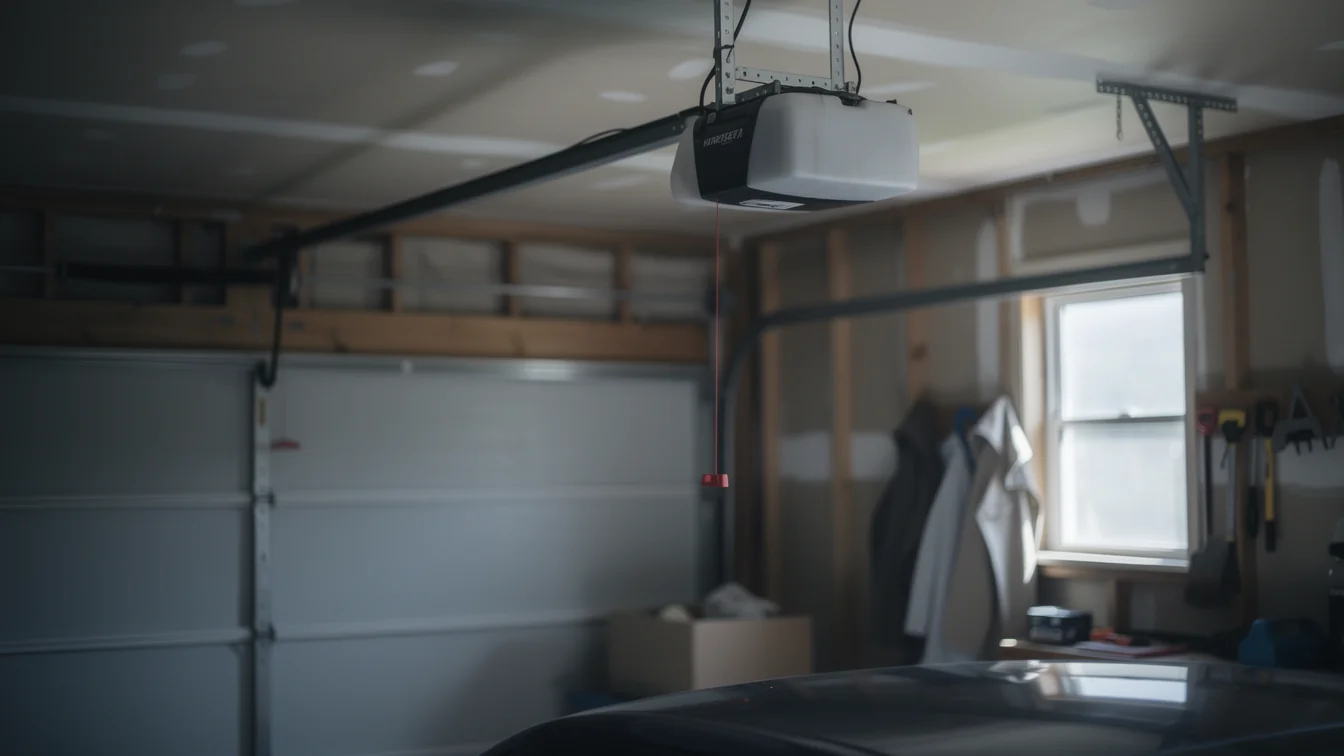
Bedford Garage Door Openers and Power Outages: What Actually Fails
Bedford, TX garage openers built in the 1980s-90s often fail during storm power cuts and summer heat spikes.
Read guideReady when you are
Need a garage door sorted in Bedford?
Bedford Garage Door Pros repairs and installs garage doors, springs and openers in Bedford, TX and the surrounding area.